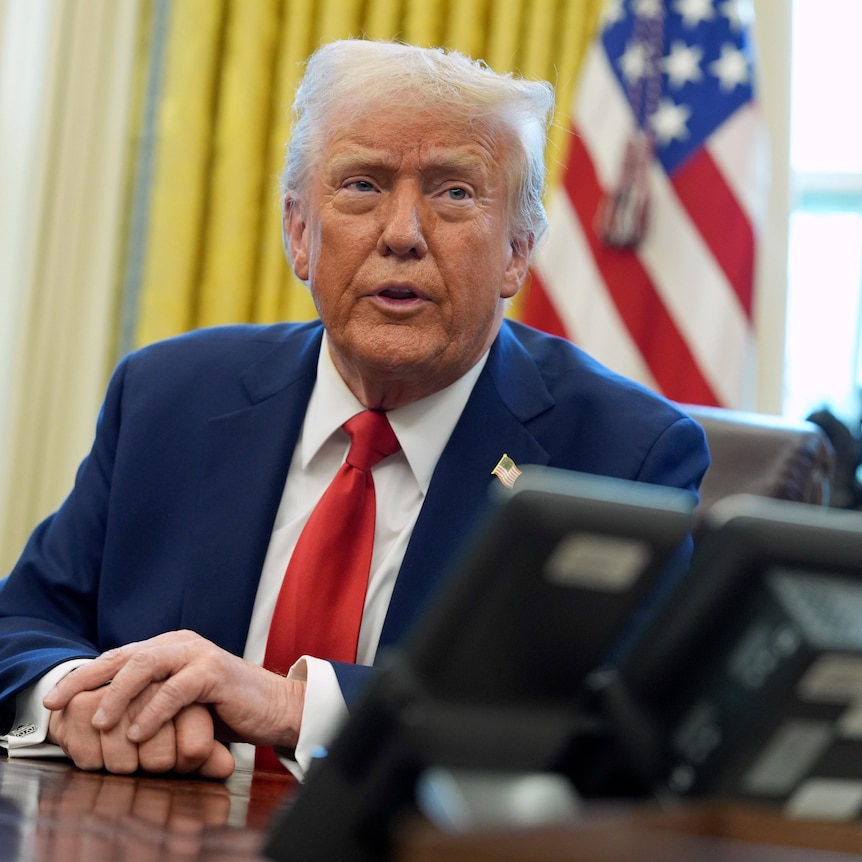
When trade friction intensified between the United States and Canada last year, the dominant narrative centered on potential losses — tariffs, tourism declines, and supply chain strain.
But new figures from Statistics Canada suggest a more complex outcome: much of the displaced economic activity didn’t vanish. It shifted inward.
Domestic Tourism Surges
Canada recorded one of its strongest summer seasons for domestic tourism in recent memory. The gains were geographically broad:
British Columbia saw high occupancy rates in resort areas such as Whistler.
Atlantic provinces reported one of their most robust domestic visitor seasons in over a decade.
Quebec’s historic districts drew larger shares of Canadian travelers.
Ontario wine regions experienced increased local tourism.
Economists describe the shift as demand displacement. As some Canadians curtailed travel to the U.S. amid tariff disputes and political tensions, a portion redirected spending to domestic destinations instead.
Airline booking patterns and highway traffic volumes indicated the change was meaningful rather than symbolic. Surveys suggested more than a quarter of Canadian households modified or canceled U.S. travel plans.
The downstream effects were tangible:
Hospitality businesses increased seasonal hiring.
Restaurants expanded staffing.
Tour operators added capacity.
The Canadian Federation of Independent Business reported improved sentiment among small hospitality-focused firms.
While the shift did not redefine the national economy in a single quarter, the pattern has persisted long enough to attract policy interest.
“Buy Canadian” Momentum
The reallocation extended beyond tourism.
Retailers expanded shelf space for domestically produced goods in response to rising “Buy Canadian” sentiment. Provincial liquor boards reported growing market share for Canadian beer and wine brands. Grocery chains enhanced domestic-product labeling, citing consumer demand for supply transparency amid trade uncertainty.
Corporate procurement decisions may represent a deeper structural shift. Executives in manufacturing and services have publicly discussed reducing supplier concentration tied to U.S.-based partners. While diversification does not equate to economic decoupling, multi-year contracts can gradually rebalance exposure.
Government Framing: Resilience, Not Retaliation

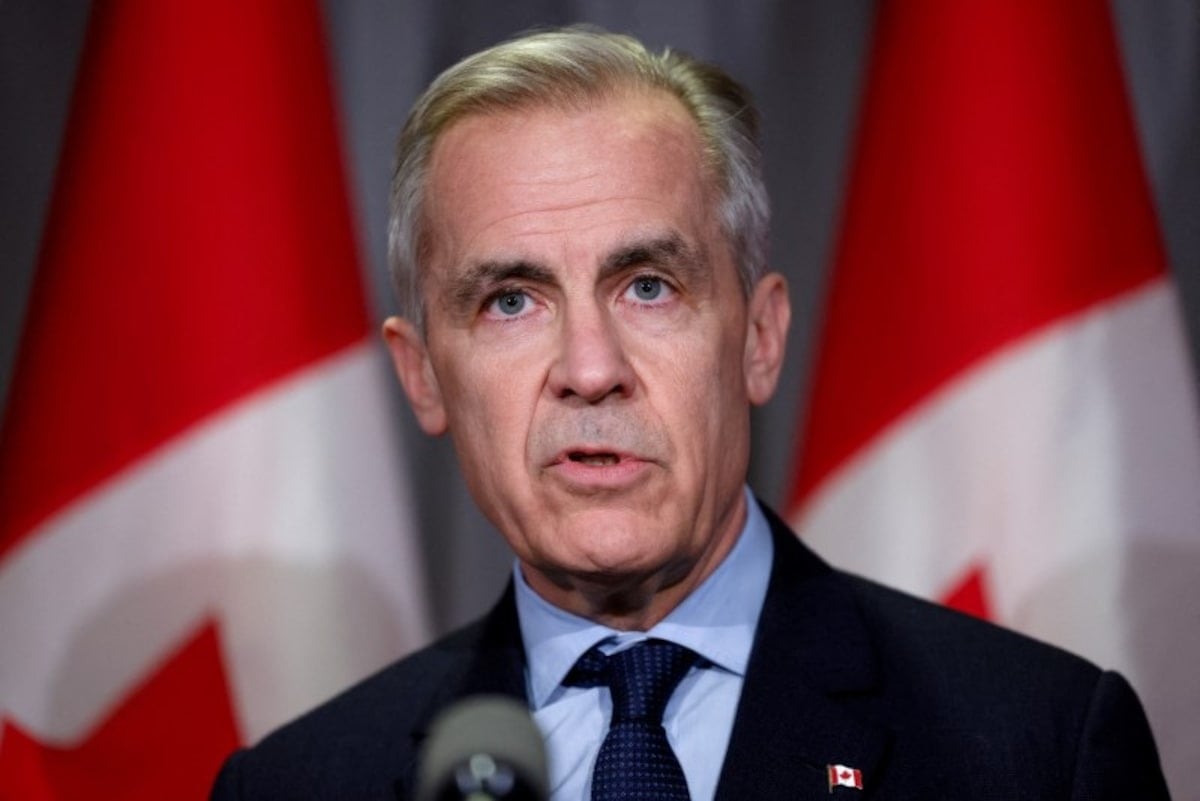
Prime Minister Mark Carney has framed the adjustment as resilience rather than retaliation. His government has emphasized:
Expanded infrastructure investment
Domestic capacity-building
Trade missions aimed beyond North America
Risk diversification strategies
Officials argue that concentration risk — particularly when a single partner accounts for the majority of exports — warrants strategic recalibration during periods of volatility.
Historical Echoes
Similar patterns have occurred elsewhere. During periods of currency weakness and geopolitical strain, Australia experienced spikes in domestic tourism as outbound travel became less attractive. Subsequent research showed that some consumer behavior changes endured even after macroeconomic conditions stabilized.
Canada’s situation differs in important respects, but the behavioral economics are comparable: once households adopt new spending habits, not all revert.
Limits and Uncertainties
Several caveats remain:
A weaker Canadian dollar has made U.S. travel more expensive, reinforcing domestic substitution.
The U.S. remains Canada’s largest trading partner by a wide margin.
Integrated supply chains across autos, energy, and agriculture remain deeply interconnected.
If trade tensions ease or currency dynamics shift, some outward flows could resume.
The durability of the present cycle is not yet clear.
The Broader Implication
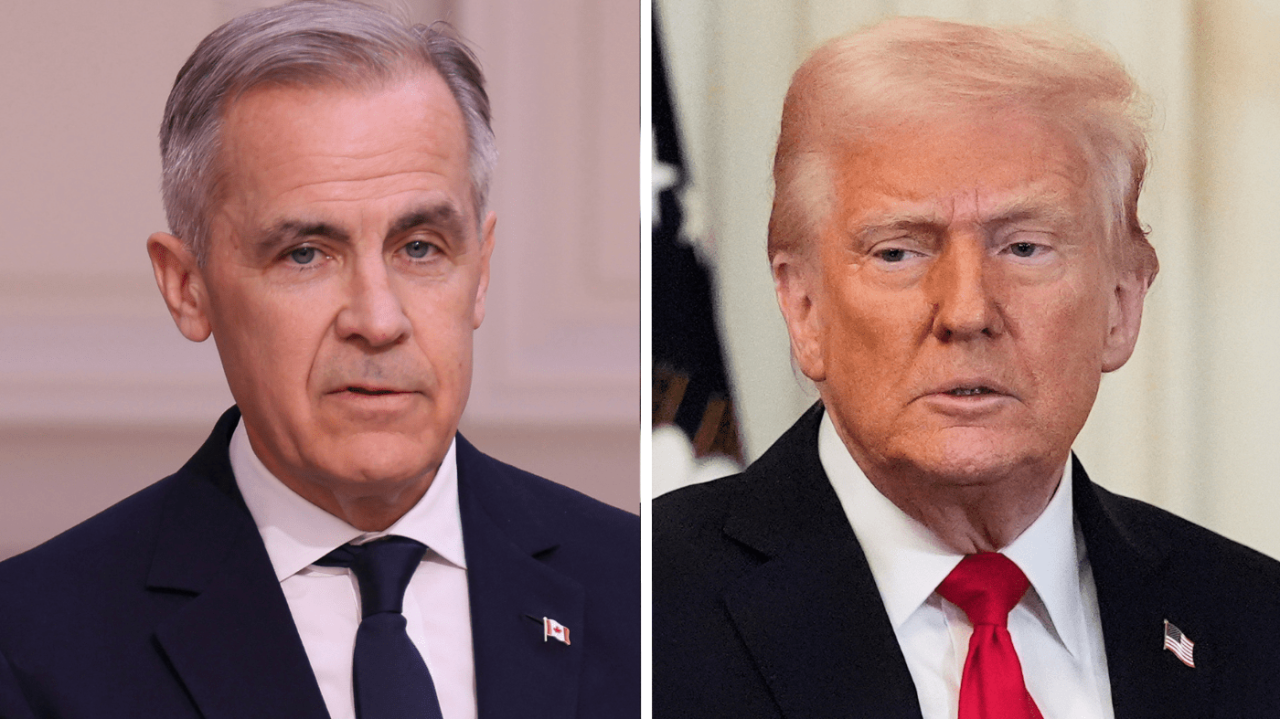
Trade disputes rarely eliminate economic activity outright; they reallocate it. Spending once directed toward U.S. destinations has flowed toward Canadian hotels, restaurants, wineries, and parks. Some supplier contracts have been reconsidered. Certain investment decisions have tilted inward.
For decades, cross-border integration between Canada and the United States deepened almost automatically, treated as structural rather than strategic. The past year introduced friction into that assumption.
Whether this moment represents a temporary adjustment or a longer-term recalibration of Canada’s economic posture remains to be seen. But the episode illustrates a broader principle of interconnected markets:
Economic pressure applied externally can accelerate adaptation internally — sometimes in ways policymakers did not anticipate.