Europe’s Nuclear Debate: France Considers Expanding Deterrence in Response to Russia
A Strategic Shift in Europe
In a rapidly changing security environment, France is considering adjustments to its nuclear deterrence posture—moves that could reshape the defense conversation across Europe.
Reports from defense analysts suggest that nuclear-capable aircraft associated with France’s deterrent strategy could potentially operate more closely with allied nations, including Germany.
While no final decision has been announced, the discussion itself highlights how European security thinking is evolving.
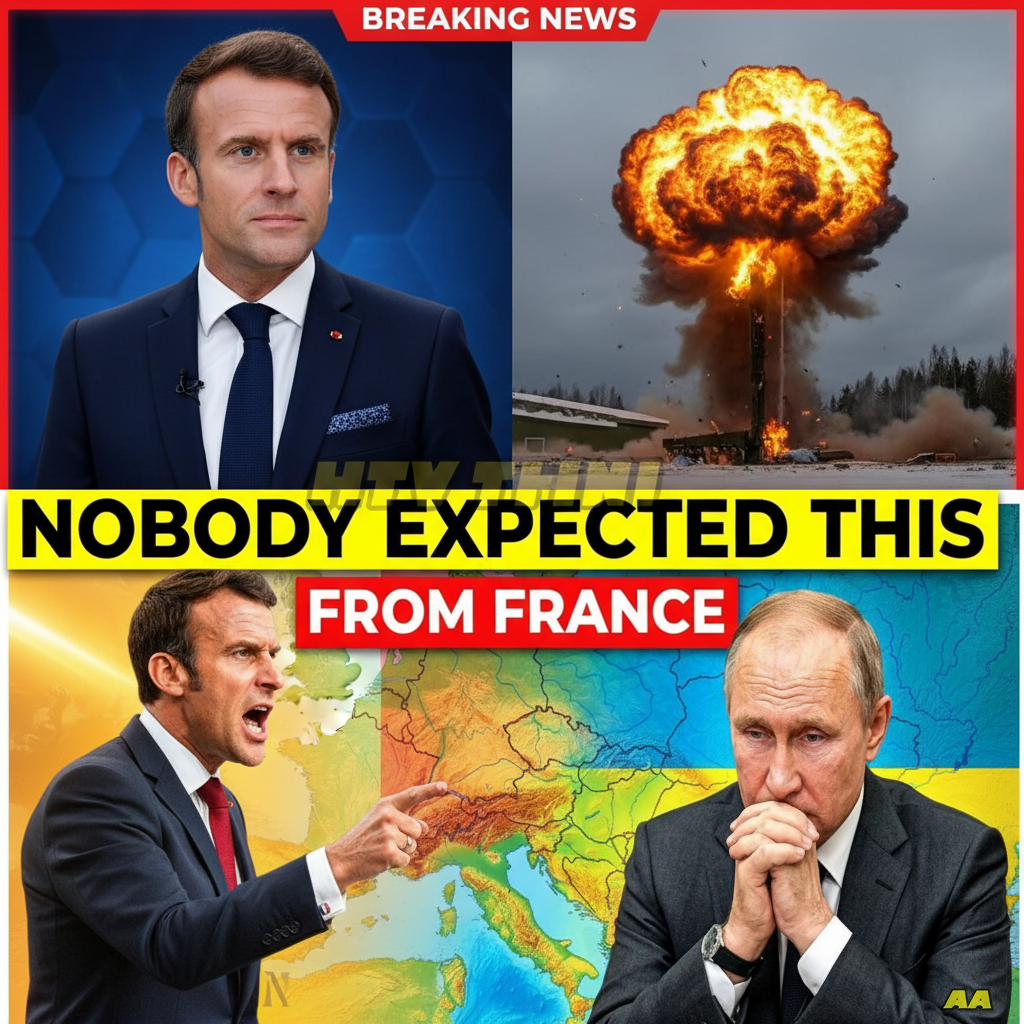
Rising Tensions With Russia
The backdrop to this debate is the continuing geopolitical tension between Russia and several Western nations.
Since the outbreak of the war in Ukraine, many members of NATO have begun reassessing their defense strategies.
For some policymakers, strengthening deterrence is seen as a way to prevent escalation rather than provoke it.
Yet others worry that shifting nuclear posture could raise concerns about stability across the region.
Understanding Nuclear Deterrence
For decades, nuclear deterrence has been based on the principle that the existence of powerful weapons discourages direct confrontation between major powers.
France maintains one of the world’s most sophisticated independent nuclear forces, designed to ensure national security while contributing to the broader strategic balance in Europe.
Potential adjustments to deployment or operational cooperation would represent a significant development in how that deterrence is presented.
Technology Behind the Strategy
France’s deterrent capabilities include advanced delivery systems such as the ASMP‑A nuclear cruise missile, which can be carried by aircraft like the Dassault Rafale.
These systems are designed primarily as a defensive deterrent, intended to signal that any large-scale aggression would carry severe consequences.
While discussions about positioning or operational coordination continue among allies, experts emphasize that deterrence strategies are usually accompanied by strict political oversight and international commitments.
Germany’s Strategic Position
Any expanded cooperation would place Germany in a sensitive position.
Historically cautious about nuclear policy after World War II, Germany remains a key member of NATO’s security framework.
Public opinion within the country often reflects a strong preference for diplomacy and stability.
As a result, debates about nuclear deterrence on German soil are likely to attract significant public and political discussion.
NATO Unity and Strategic Debate
Within NATO, the issue also raises broader questions.
Some members see stronger deterrence as necessary in response to regional security concerns.
Others emphasize the importance of diplomatic engagement and arms-control agreements.
The alliance has historically balanced these two approaches—maintaining defensive capabilities while encouraging dialogue with potential adversaries.
The Role of Media and Public Discussion
The evolving situation has also drawn attention from global media outlets and policy experts.
Coverage of these developments often reflects the complexity of modern international relations, where military strategy, diplomacy, and public perception intersect.
Journalists and analysts play a crucial role in explaining these issues to the public, helping audiences understand the stakes without oversimplifying the debate.
Voices Urging Caution
Many security experts emphasize that discussions about nuclear deterrence do not necessarily signal imminent escalation.
Instead, they reflect ongoing strategic calculations among governments seeking to maintain stability.
Diplomacy, arms-control frameworks, and communication channels remain essential tools for preventing misunderstandings between major powers.
A Defining Moment for European Security
France now faces an important strategic decision.
Its actions could influence how Europe balances deterrence, alliance cooperation, and diplomatic engagement in the coming years.
For policymakers across the continent, the challenge lies in maintaining security while avoiding steps that might unintentionally increase tensions.
Conclusion
The current debate surrounding France’s nuclear posture highlights how global security is evolving in the 21st century.
Rather than a simple military decision, it reflects broader questions about alliances, strategy, and the future stability of Europe.
As discussions continue among NATO members and European leaders, the outcome may shape defense policy across the continent for years to come.
In a world defined by uncertainty, the ultimate goal remains the same: maintaining stability while avoiding conflict.






