A quiet meeting in Tokyo just sent a loud message across global markets.
And the ripple effects may reach far beyond Japan.
Canada and Japan Forge Strategic Partnership as Carney Expands Indo-Pacific Economic Strategy
Canadian Prime Minister Mark Carney arrived in Tokyo this week with a clear objective: broaden Canada’s economic reach beyond its traditional partners and deepen ties across the Indo-Pacific.
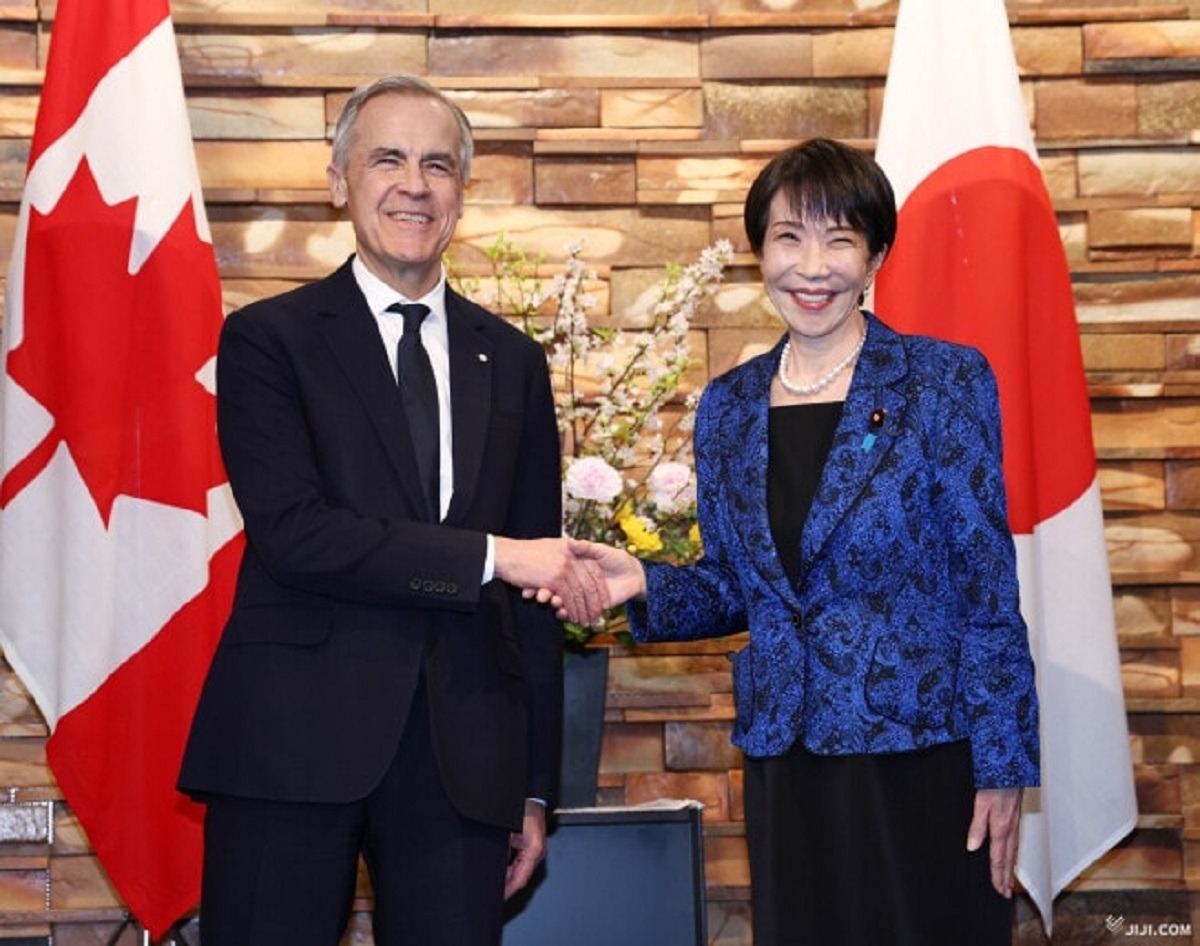
Within hours of landing, Carney sat down with Japanese political leader Sanae Takaichi, where the two governments unveiled a sweeping new strategic partnership aimed at strengthening cooperation in energy, technology, defense, and critical supply chains.
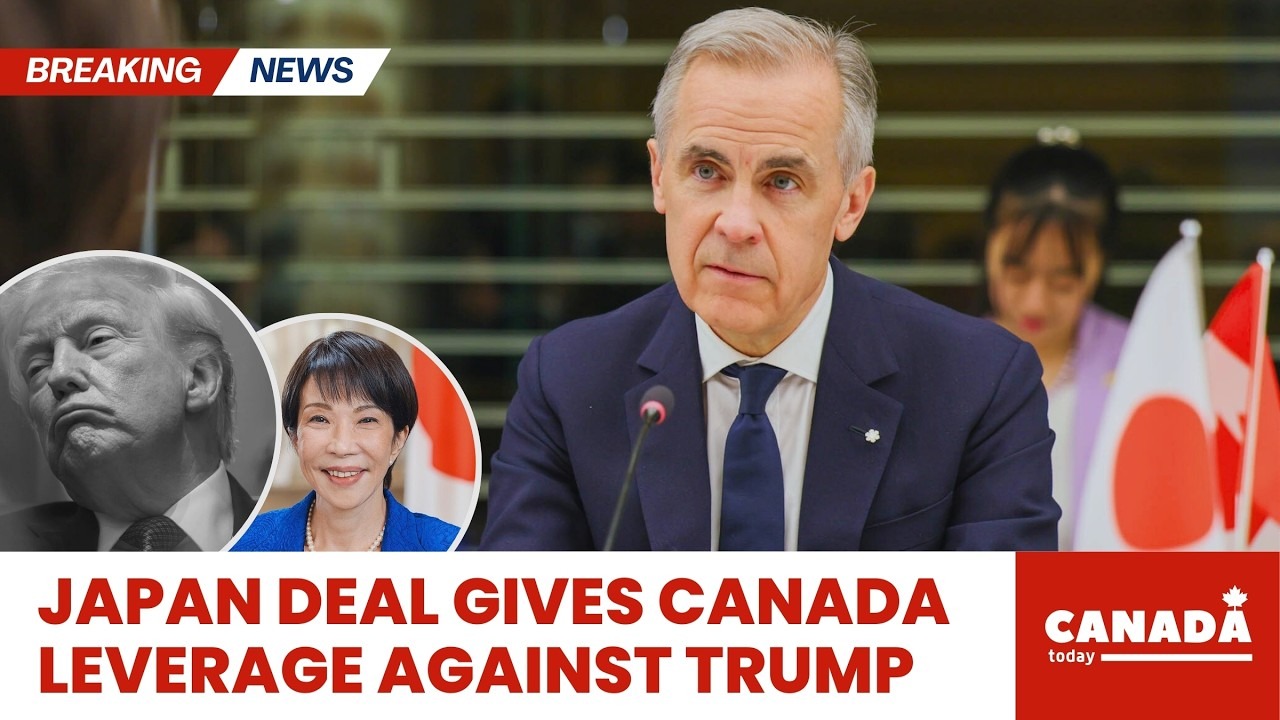
The agreement reflects a growing effort by Canada to diversify its international economic relationships as global trade patterns shift and geopolitical tensions reshape supply networks.
At the center of the partnership are industries that analysts say will define the global economy in the coming decades.
Officials from both countries confirmed that the collaboration will focus on liquefied natural gas (LNG), critical minerals, semiconductor technology, artificial intelligence research, and emerging clean-energy systems.
Government and industry representatives will now begin identifying concrete investment projects, joint ventures, and long-term supply arrangements designed to link Canadian resources with Japan’s advanced manufacturing sector.
Behind the diplomatic language lies a practical economic reality.
Canada possesses vast reserves of rare earth minerals, lithium, cobalt, and other critical resources that are essential for modern technologies — from electric vehicle batteries to advanced electronics and defense equipment.
Japan, one of the world’s most sophisticated industrial economies, relies heavily on stable international suppliers to maintain its manufacturing base.
The partnership seeks to bring those complementary strengths together.
For Japan, securing reliable sources of critical materials has become increasingly important. Global supply chains have faced repeated disruptions in recent years, and many governments are attempting to reduce dependence on a limited number of suppliers.
China currently dominates much of the world’s rare-earth processing industry, which has heightened concerns among industrialized nations seeking more diversified and politically stable sources of strategic materials.
Canada’s extensive mineral resources and reputation as a stable trading partner have made it an attractive option for countries looking to secure long-term supply.
For Canada, the benefits extend beyond individual sectors.
Carney’s visit to Japan represents the final stop of a broader Indo-Pacific diplomatic tour that has already included high-level discussions in India and Australia.
Across those meetings, the Canadian prime minister has emphasized a consistent theme: Canada must expand its economic partnerships in a rapidly changing world.
For decades, the United States has been Canada’s dominant trading partner, with the majority of Canadian exports heading south across the border.
That relationship remains fundamental to Canada’s economy. However, shifts in global politics and trade policy have prompted Canadian leaders to seek additional economic connections across other regions.
Expanding trade across the Indo-Pacific is seen as one of the most promising opportunities.
Energy is one key area of cooperation.
Canada holds vast natural-gas reserves and has been steadily expanding its liquefied natural gas export capacity along the Pacific coast. Japan, the world’s largest importer of LNG, is actively seeking reliable suppliers capable of providing stable shipments for decades.
Critical minerals represent another major pillar of the agreement.
Demand for lithium, cobalt, and other strategic materials is accelerating rapidly as countries expand electric vehicle production, renewable energy systems, and high-performance electronics.
Trade experts say Canada’s resource base places it in a strong position within these emerging industries.
“The country possesses precisely the materials that modern technologies depend on,” said one analyst familiar with the negotiations. “That creates natural partnerships with highly industrialized economies like Japan.”
But the strategic implications extend beyond resources.
Some policy experts believe Canada is attempting to build a broader economic network linking partners across the Indo-Pacific with markets in Europe and North America.
In that framework, Canada could act both as a supplier of essential resources and as a connector between major advanced economies.
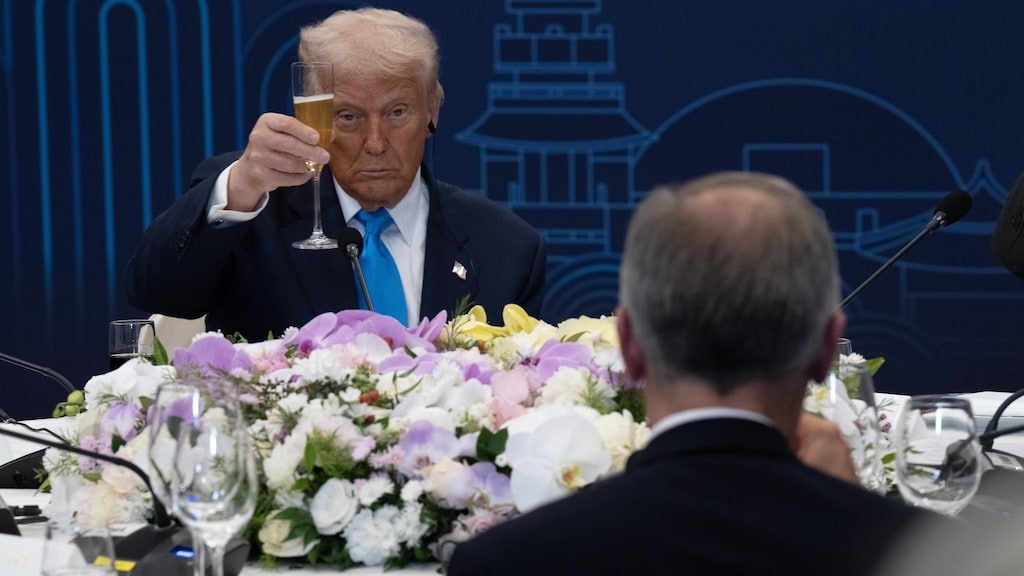
While the new partnership does not replace Canada’s long-standing relationship with the United States, expanding ties with countries such as Japan, India, and Australia could gradually increase Canada’s flexibility in global trade.
From Tokyo’s perspective, the partnership strengthens access to resources essential for its industrial future.
From Ottawa’s perspective, it represents another step toward a more diversified economic strategy.
What began as a series of diplomatic visits across Asia is increasingly evolving into a coordinated effort to reshape Canada’s global economic network.
And if the discussions in Tokyo are any indication, that effort is only beginning.