One offhand threat. One blunt FIFA response. And suddenly, the 2026 World Cup is no longer just about football — it is about power, control, and who really gets to shape the biggest tournament on Earth.
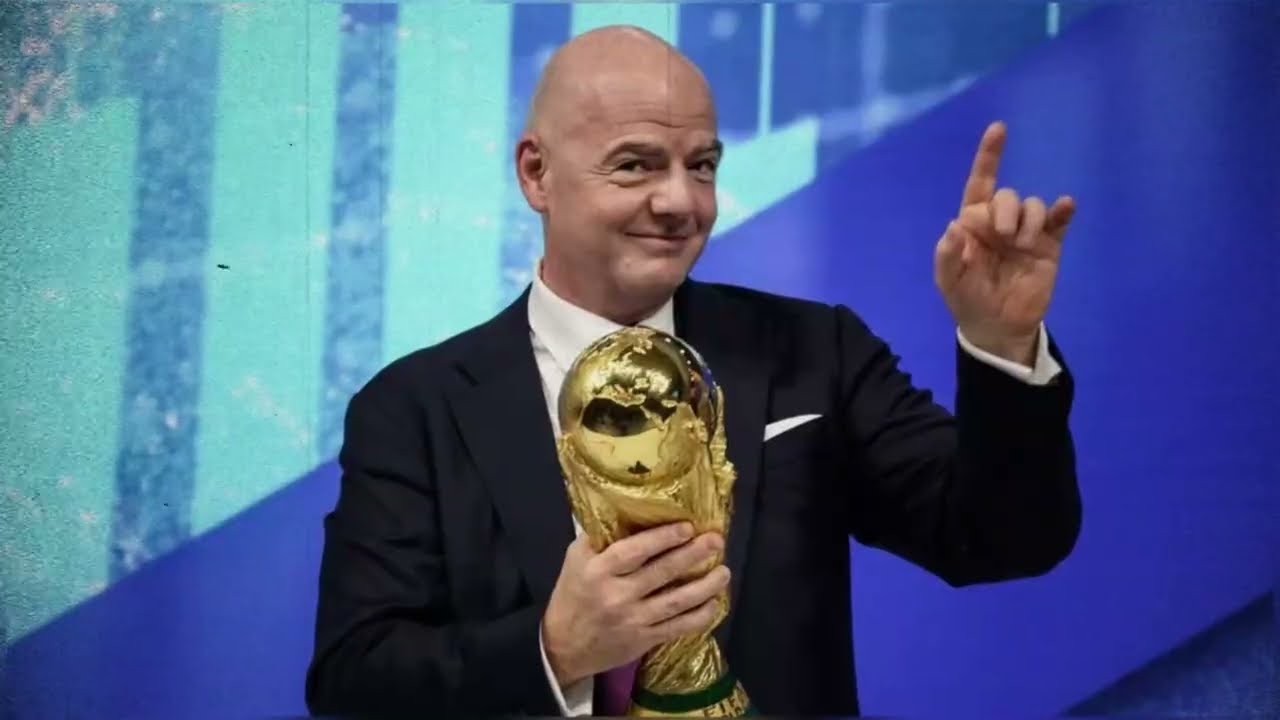
Donald Trump’s comments about the 2026 World Cup set off an immediate storm — but FIFA’s answer was even louder.
After suggesting that matches could be moved out of U.S. cities he considered unsafe, Trump ignited a clash that cut straight to the core of who controls the World Cup. His warning was stark: if a host city did not meet his standards for safety, games could be shifted elsewhere. But FIFA officials quickly pushed back, making it clear that the tournament does not bend to political pressure from any one leader.
That response mattered because the 2026 World Cup is already deeply locked in. FIFA has confirmed the tournament’s host structure across the United States, Canada, and Mexico, with 16 host cities selected years in advance through a long process involving security planning, logistics, infrastructure, broadcasting, and commercial commitments. This is not an event that can be casually rearranged after a political soundbite.
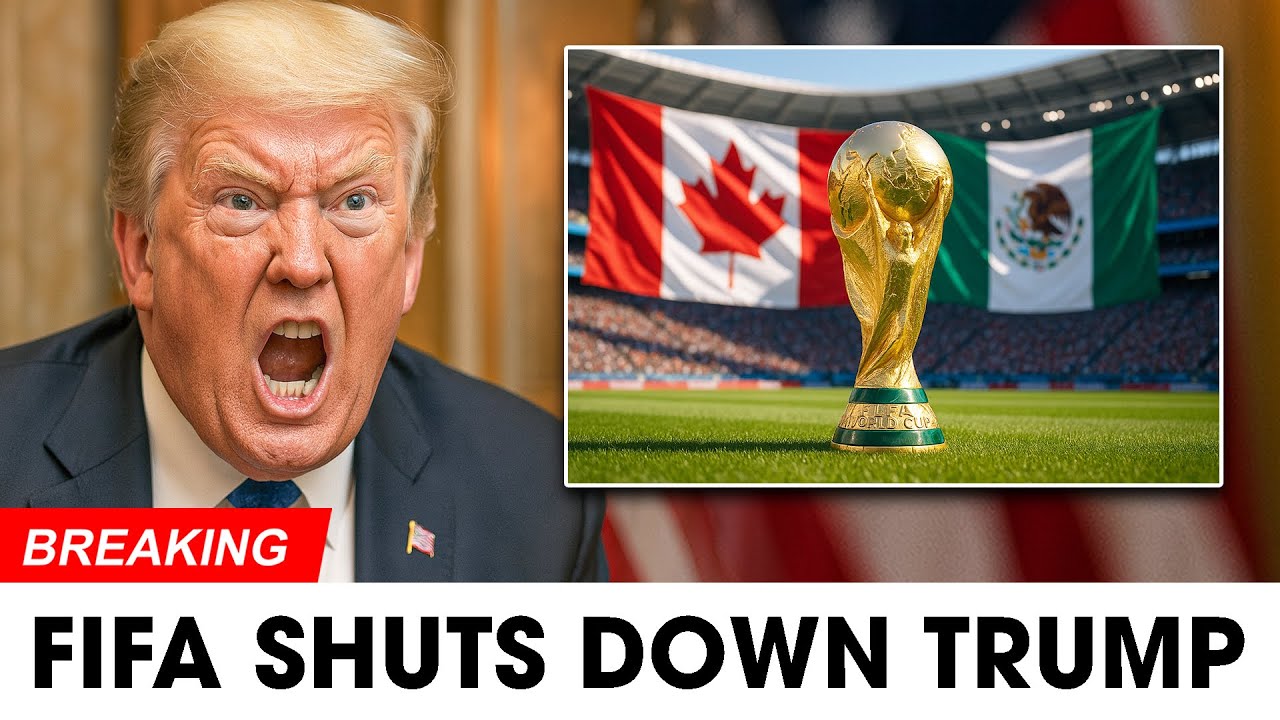
FIFA vice president Victor Montagliani delivered the sharpest rebuttal. He said football is “bigger than” current leaders and made clear that decisions on venues belong to FIFA, not politicians. The message was unmistakable: presidents may make noise, but FIFA runs the tournament.
That is where the real drama begins.
Trump’s remarks may have been framed around public safety, but they also exposed a much bigger tension surrounding the 2026 World Cup: the uneasy overlap of sports, politics, security, and national image. In a tournament that FIFA has marketed as a unifying global event, even the suggestion that host cities might be judged through a partisan political lens creates fresh anxiety. It shifts the conversation away from football and toward instability, and that is exactly the kind of narrative FIFA tries to avoid.
At the same time, there is an important reality check: there is no confirmed evidence that FIFA has handed extra matches to Canada or Mexico because of Trump’s comments. That part of the online narrative remains speculation. FIFA’s official tournament planning still lists the established host cities across all three countries, and public reporting on the dispute centers on FIFA rejecting the idea that Trump can unilaterally move games — not on Canada and Mexico “seizing” matches.
Still, the political shockwave is real.
When a sitting U.S. president publicly questions whether host cities are safe enough for the World Cup, it does more than create headlines. It raises fresh scrutiny around security planning, city readiness, and the international perception of the United States as the central stage for the largest World Cup in history. FIFA has every incentive to project calm, control, and neutrality, especially with billions of viewers watching.
That is why Montagliani’s response landed so hard. It was not merely a disagreement. It was a boundary line. FIFA was signaling that the tournament’s credibility depends on remaining above the daily turbulence of political fights. If that line blurs, the World Cup risks becoming something far messier than a sporting event: a geopolitical spectacle where every venue decision becomes a new battleground.
And that is the real story here.
Trump tried to project control over one of the biggest events on the global calendar. FIFA responded by reminding the world that football answers to its own power structure. The result is a public showdown that has turned the 2026 World Cup into more than a tournament preview. It has become a test of whether global sport can stay independent when politics tries to step onto the pitch.
For now, FIFA has shut the door on the idea that Trump can simply reshuffle host cities at will. But the controversy has already done its damage: it has injected doubt, tension, and political theater into a tournament that was supposed to symbolize unity across North America.






