A Viral Claim Ignites Political Debate
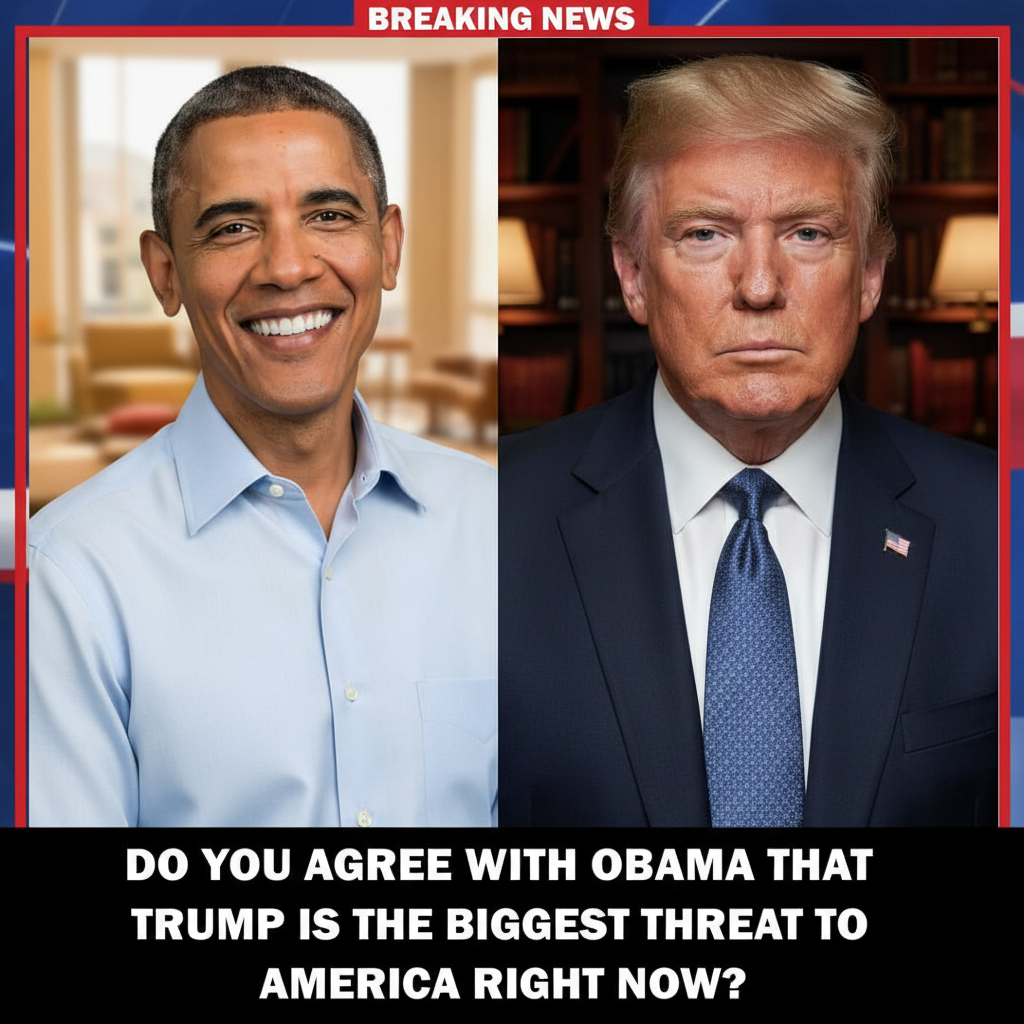
Former President Barack Obama has once again found himself at the center of a social media surge following widely shared comments concerning the state of American democracy. Posts alleging that he labeled Donald Trump as “the biggest threat to America today” rapidly gained traction, with various platforms suggesting the purported interview garnered tens of millions of views in a short timeframe.
However, an closer examination reveals that much of the viral circulation appears to originate from social media posts rather than a broadly confirmed mainstream interview. This widespread distribution of the quote primarily reflects the intense political polarization present in the United States, rather than a verified statement that unequivocally captured global attention as described.
The Origin of the Viral Moment
Online viral posts detailed a controversial question allegedly posed to Obama during an interview: “What is a bigger threat to America today — Islamophobia or jihadist influence?” According to these posts, Obama reportedly declined to choose between the two, instead offering a single name: Donald Trump. This claim quickly resonated across social media, accumulating millions of views and igniting fervent discussions among supporters and critics of both leaders. Those aligned with Obama shared the clip as perceived evidence of his concern for democratic norms under Trump’s political influence. Conversely, critics suggested Obama was magnifying political disagreements and potentially downplaying other societal concerns.
Obama’s Broader Views on Political Division
While the precise viral quote remains challenging to definitively verify, it is well-documented that Obama has consistently expressed warnings about political polarization and divisive rhetoric posing substantial challenges to American democracy. In numerous addresses and discussions over the past year, he has characterized the United States as being at “an inflection point,” cautioning that escalating hostility in politics could compromise democratic institutions if leaders continue to promote division instead of unity. Obama has frequently emphasized that the health of democracy relies on respecting political adversaries, safeguarding election processes, and rejecting political aggression—principles he believes are currently under considerable strain.
A Decades-Long Political Rivalry
The notable rivalry between Obama and Trump spans over a decade. Trump first achieved widespread political recognition in 2011 by propagating claims about Obama’s birthplace. Obama later publicly addressed Trump at the 2011 White House Correspondents’ Dinner, an event many observers believe further intensified their political interactions. Upon assuming the presidency in 2017, Trump frequently critiqued Obama’s policies, particularly those related to immigration, healthcare, and international relations. Since concluding his term, Obama has periodically voiced his opinions when he perceives democratic standards to be at risk. Trump, meanwhile, frequently attributes the nation’s political challenges to Obama and other members of the Democratic party.
Understanding the Virality
The rapid spread of the claim regarding Obama naming Trump as the “biggest threat” can be attributed to several key factors:
- High-profile Figures: Both Barack Obama and Donald Trump remain among the most recognizable and influential political personalities globally.
- Intense Political Climate: Any statement or report involving these two figures readily triggers strong and immediate reactions from various segments of the public.
- Social Media Amplification: Viral political content frequently disseminates more rapidly than meticulously verified reporting, often reaching vast audiences before full contextualization is possible.
This confluence of factors frequently results in dramatic headlines and social media posts that garner significant viewership, even when the original context or accuracy remains unclear.
The Larger Context
This recent controversy underscores a deeper political struggle that continues to shape American public discourse today. Supporters of Obama often interpret Trump’s leadership style and rhetoric as potential challenges to established democratic institutions. Conversely, Trump’s supporters contend that critics such as Obama represent a detached political establishment. What remains evident is that the political interplay between these two prominent figures continues to exert considerable influence on American politics, years after both concluded their terms in the White House.






