In a stark critique of Canada’s economic trajectory, commentator Spencer Gatten highlights the nation’s auto industry facing a precipitous decline, juxtaposed against a surging U.S. economy under President Trump. This narrative underscores mounting frustrations with Liberal government policies, from trade alignments to energy strategies, raising questions about Canada’s competitiveness in a rapidly evolving global landscape. As exports plummet and international relations strain, the fallout could reshape North American trade dynamics, leaving Canadians to grapple with job losses and fiscal strain.
Canada’s automotive exports tumbled 21.2% to $5.4 billion in January 2026, marking the lowest level since September 2021, driven by seasonal production halts and broader trade woes. This drop exacerbates a trade deficit that widened significantly, with motor vehicles and parts leading the decline. Experts warn that without regulatory alignment with the U.S., Japanese manufacturers may relocate production southward within five years, isolating Canada economically.
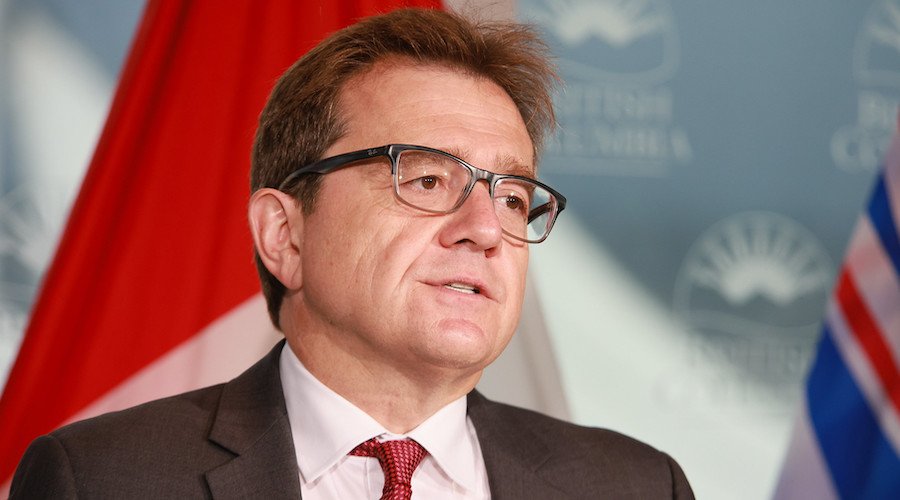
Gatten lambasts the Liberal stance on oil and gas, noting Minister Jonathan Wilkinson’s assertion that these sectors will peak this decade, potentially leaving Canada uncompetitive. Wilkinson’s view aligns with forecasts predicting a decline in fossil fuel demand, yet critics argue it overlooks ongoing global needs for low-carbon applications like petrochemicals. The denial of pipeline expansions, such as Trans Mountain, reflects an ideological shift toward green priorities, hindering Canada’s ability to capitalize on energy crises like those involving Iran.
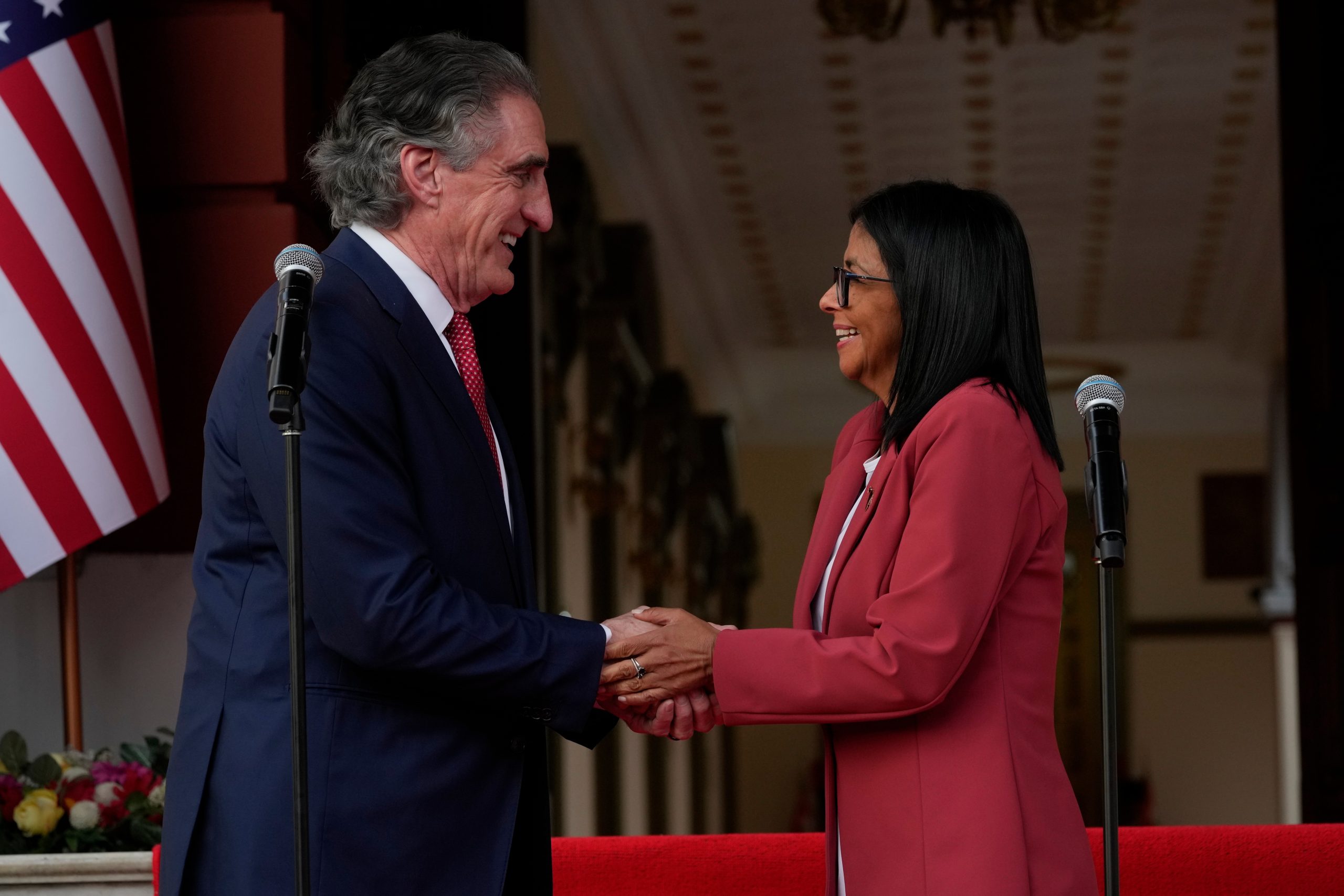
Meanwhile, U.S. engagement with Venezuela’s mineral riches, including gold and bauxite, positions America to counter China’s dominance in critical resources. Secretary Doug Burgum’s visits underscore security guarantees for investors, tapping into Venezuela’s $500 billion in assets to fuel AI and tech races. Canada’s untapped potential, like the Thor project, remains stalled, missing opportunities amid U.S. advancements.
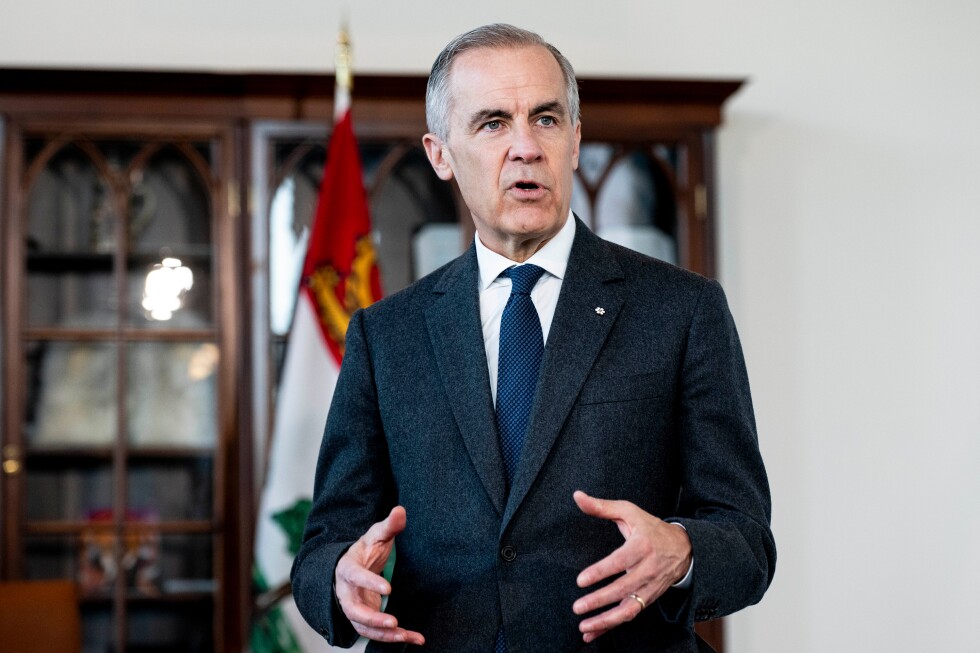
Prime Minister Mark Carney’s recent Norway trip draws fire for prioritizing NATO exercises over domestic economic debates. Observing Cold Response drills in Bardufoss with 25,000 troops from 14 nations, Carney emphasized Arctic readiness amid global tensions. Yet, Gatten portrays it as an anti-U.S. jaunt, blending military optics with personal downtime, while skipping key Liberal discussions.
Security concerns loom large, with Bill C-22 expanding government access to internet data for investigations, sparking privacy debates. The legislation introduces tools like subscriber information orders, aiding probes without new surveillance powers. Ongoing threats to Toronto’s U.S. consulate highlight vulnerabilities, tied to migration and crime spikes.
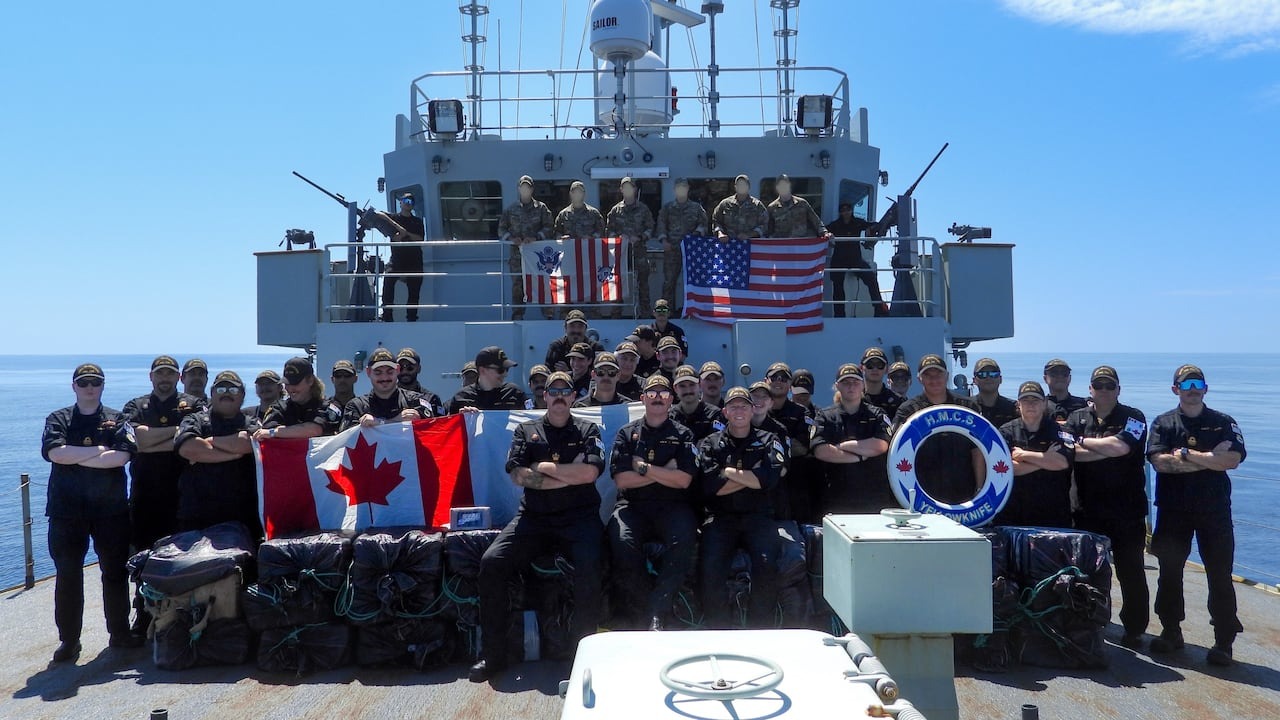
Immigration policies face scrutiny, with Minister Marc Miller’s pro-Lebanon stance raising conflict-of-interest flags. Operation Caribbe, Canada’s anti-narcotics effort in the Caribbean, restricts intel sharing to avoid U.S. lethal operations, prioritizing ethics amid drug interdictions. Millions evade deportation under programs like Caribbe, fueling debates on enforcement and economic reliance on newcomers.
Oddly, cultural imports like cow urine sales in Brampton stores symbolize broader integration challenges, sold openly despite health queries. Gatten uses this to critique dependency on foreign entrepreneurs amid economic stagnation.
Gatten’s delivery is sharp and opinionated, blending data with sarcasm—dubbing Carney “Supreme Leader” and mocking policy shortsightedness. His background in steel supply chains lends credibility to analyses of trade risks, urging alignment with Trump’s America.
These issues culminate in a call for reevaluation: Can Canada afford ideological pursuits over pragmatic alliances? As Trump’s economy booms, the answer may dictate whether Canada thrives or falters, leaving a lingering question on national resilience.