A dramatic shift may be unfolding inside one of the world’s most powerful military alliances. Canada is reconsidering a massive fighter jet purchase from the United States — a decision that could reshape defense cooperation across NATO and redefine how allies balance technology with sovereignty.
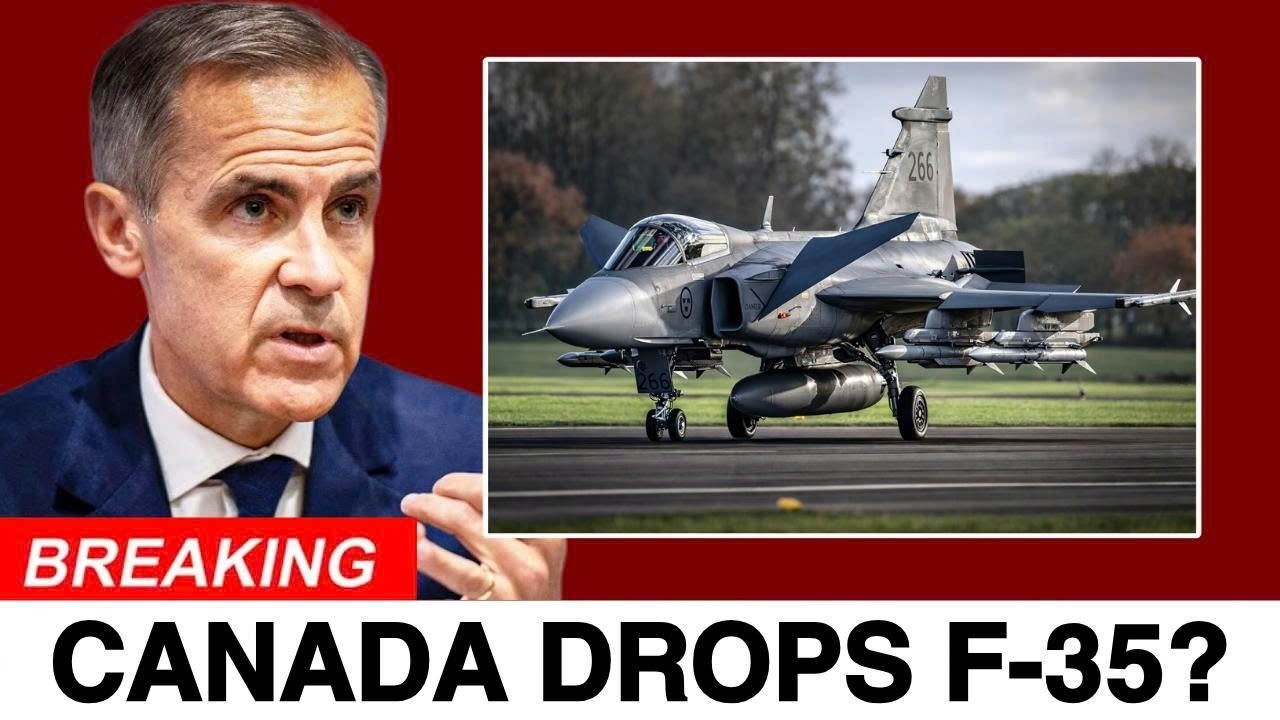
The turning point came shortly after Prime Minister Mark Carney took office in 2025. In a speech that echoed far beyond Ottawa, he declared that Canada would “never be part of the United States,” signaling a tougher stance on national autonomy. Weeks later, the government confirmed it was reviewing its multibillion-dollar agreement to purchase 88 F-35 Lightning II aircraft — a cornerstone of Western airpower strategy.
The fighter program had once seemed straightforward. Early estimates in the 2010s placed the total cost at around 9 billion Canadian dollars. But according to later audits, projected expenses surged past 19 billion — with some analysts warning that full lifecycle costs could climb far higher once training, weapons integration, and infrastructure are included.
Yet for Ottawa, the debate is about more than money. Critics argue that operating the F-35 requires deep reliance on U.S. systems, including centralized maintenance networks and software upgrades controlled by American authorities. For policymakers increasingly focused on strategic independence, that level of dependence raises uncomfortable questions — especially as trade disputes and political tensions occasionally strain bilateral ties.
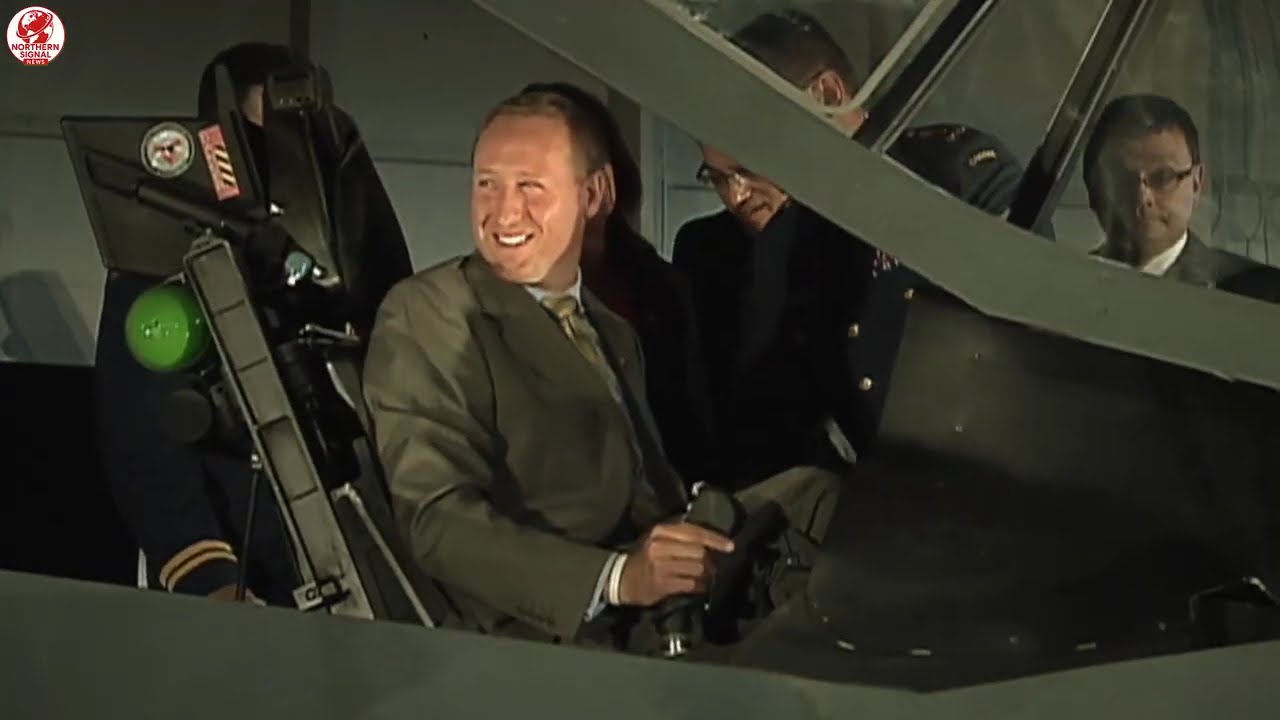
Canada’s Defense Minister Bill Blair confirmed that while the first batch of aircraft is still expected to arrive in 2026, the remaining jets are under review. The move has fueled speculation that Ottawa may explore alternatives better suited to its geography and defense doctrine.
One name gaining attention is the Swedish-built Saab JAS 39 Gripen. Designed for flexibility and rapid deployment, the aircraft can operate from short or improvised runways and requires significantly smaller ground crews. Advocates say such features could prove crucial for protecting Canada’s vast Arctic territory, where extreme weather and limited infrastructure pose constant challenges.
Supporters also highlight potential industrial benefits. Swedish manufacturer Saab has reportedly signaled willingness to expand local production partnerships, allowing more maintenance, upgrades, and technology development to occur within Canada itself. For a government seeking to strengthen domestic supply chains and defense manufacturing jobs, that prospect carries considerable weight.
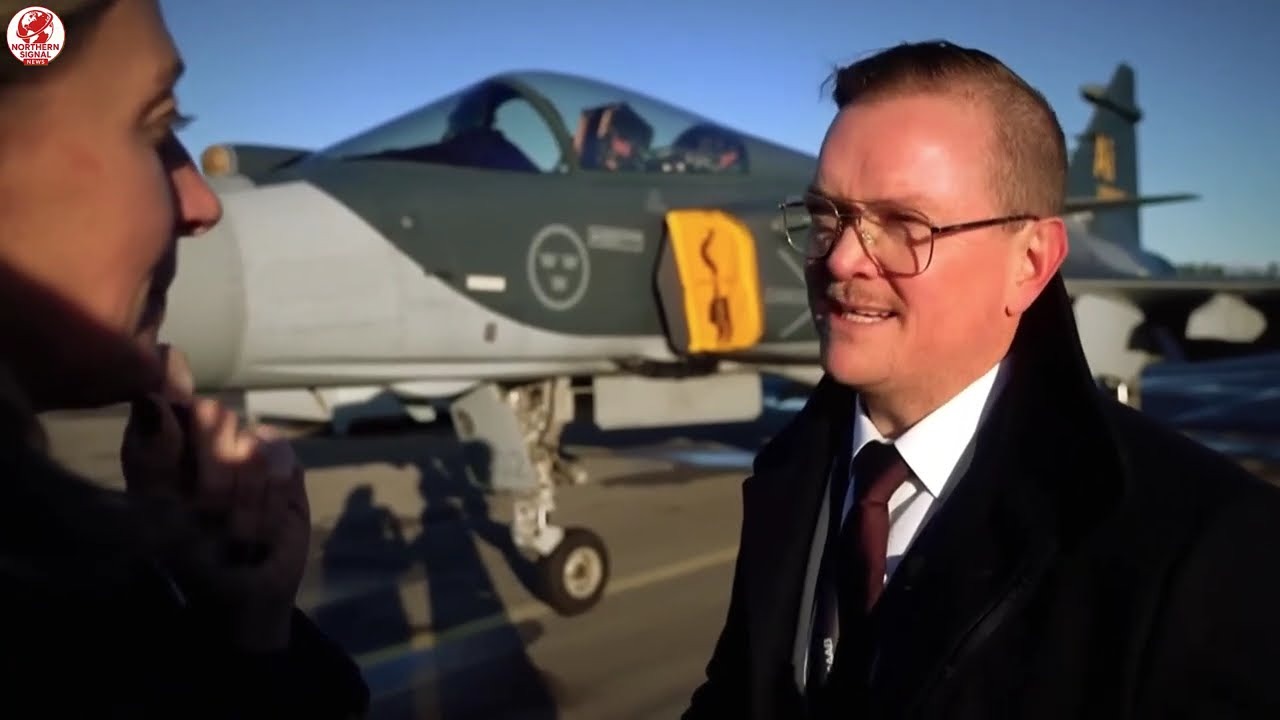
The debate unfolding in Ottawa is being closely watched across Europe. Countries such as Portugal have hinted at exploring non-American fighter options, while defense spending across the European Union has surged in recent years amid growing security concerns. Companies like Dassault Aviation and Airbus are ramping up production and research investments as governments seek greater autonomy in critical technologies.
Still, shifting away from the F-35 carries risks. The aircraft was designed to enable unprecedented interoperability — allowing allied air forces to share real-time data and coordinate operations seamlessly. Some analysts warn that diversifying platforms could complicate joint missions, potentially weakening the integrated airpower model NATO has spent decades building. Others argue the opposite: that a more flexible alliance, capable of integrating multiple systems through shared standards, may ultimately prove more resilient.

Canada’s own defense sector is already positioning itself for change. Industry figures suggest the sector contributes billions to the national economy and supports tens of thousands of jobs. Government initiatives aimed at modernizing procurement processes and expanding domestic production capacity signal a broader strategy — one that treats defense policy not only as a security imperative but also as an industrial opportunity.
For now, no final decision has been announced. Deliveries of the initial F-35 aircraft remain on schedule, and negotiations with potential alternative suppliers are still at an exploratory stage. Yet the message from Ottawa is unmistakable: alliances are evolving, and smaller powers are increasingly determined to shape their own technological futures.
Whether Canada’s review becomes a catalyst for wider change — or simply a negotiating tactic within a complex procurement process — may determine how NATO adapts to a world where trust, autonomy, and interoperability must coexist.
The outcome could redefine not only what allies buy, but how they cooperate when the stakes are highest.