ARCTIC SHIFT: Sweden’s Gripen Steps Up as F-35 Faces “Frozen” Deployment Limits in NATO’s Northern Skies
OSLO / STOCKHOLM – In a dramatic development that is sending ripples through NATO’s northern command, alliance defense planners are quietly pivoting toward Sweden’s Saab JAS 39 Gripen to secure the Arctic skies, as operational constraints on the Lockheed Martin F-35 Lightning II have raised questions about the stealth fighter’s readiness for extreme northern operations.
What began as routine Arctic patrol planning has escalated into a significant strategic story across NATO capitals, with sources confirming that the alliance is increasingly relying on the Scandinavian workhorse to maintain continuous air policing in the region.

The ‘Frozen’ F-35 Question
While the F-35 remains the most advanced multirole fighter in NATO’s inventory, military planners have reportedly encountered unexpected challenges when deploying the aircraft for prolonged Arctic missions. Sources familiar with Northern European defense operations indicate that extreme cold weather conditions, combined with specific logistical requirements for stealth coatings and maintenance, have created deployment gaps that the alliance must urgently fill.
The F-35’s advanced sensors and stealth capabilities are unparalleled in contested environments, but the aircraft requires specialized hangars, heating systems, and maintenance protocols that are not always available at remote northern airfields. In contrast, the Arctic—often described as the “last frontier” of great power competition—demands aircraft that can operate from dispersed, austere locations with minimal ground support.
“We’re not saying the F-35 can’t operate in the cold—it absolutely can,” explained a senior Scandinavian defense official speaking on condition of anonymity. “But when you’re talking about 24/7 Arctic air policing across thousands of kilometers of frozen wilderness, you need aircraft that can land on a snow-covered runway in a remote village, be turned around by a small team in an hour, and get back in the air. That’s where the Gripen excels.”
The Gripen Advantage
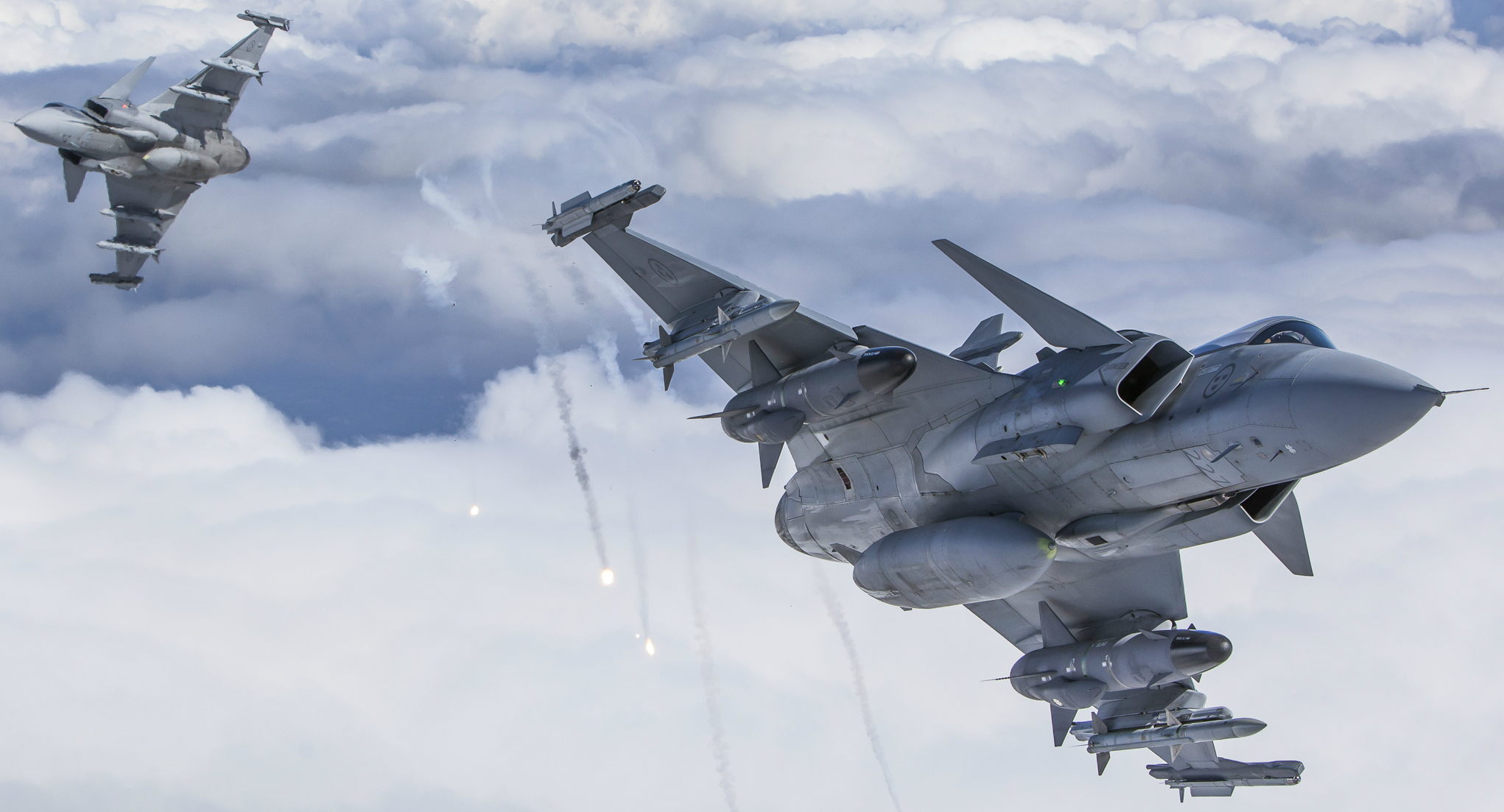
Sweden’s Saab JAS 39 Gripen was literally built for this environment. Designed during the Cold War to operate from dispersed road bases and survive a Soviet invasion, the aircraft has cold-weather resilience baked into its DNA.
Military analysts point to several key advantages that have made the Gripen NATO’s unexpected Arctic guardian:
Rapid Turnaround: The Gripen E/F variant can be refueled and rearmed by a team of just five technicians in under 20 minutes—a capability designed for surviving air base attacks. An F-35 typically requires significantly more personnel and specialized equipment for the same task.
Road Base Capability: The Gripen was designed to operate from ordinary highways, a feature that Scandinavian countries have maintained and practiced for decades. In a crisis, Gripens can disperse across hundreds of kilometers of public roads, making them nearly impossible to destroy on the ground.
Cold-Weather Engineering: From de-icing systems to engine air intakes designed for snow ingestion, every aspect of the Gripen has been tested in Sweden’s subarctic winters. The aircraft has demonstrated the ability to scramble within minutes from snow-covered runways at temperatures below -30°C.
Logistic Independence: Unlike the F-35’s complex global supply chain, the Gripen can be maintained with relatively simple tools and spares that can be pre-positioned across the Nordic region.
NATO’s Arctic Awakening

The shift in focus comes as the Arctic transforms from a frozen buffer zone into a potential flashpoint for great power competition. Climate change is opening new shipping lanes, Russia has been modernizing its northern fleet and reopening Soviet-era bases, and China has declared itself a “near-Arctic state” with growing interests in the region.
For NATO, the challenge is maintaining continuous air surveillance and rapid response across a region larger than the continental United States, with limited infrastructure and extreme weather.
“NATO’s Arctic strategy has evolved dramatically just in the past two years,” noted a defense analyst specializing in northern security. “The alliance realizes it cannot simply rely on a few large bases with F-35s. You need distributed operations, resilience, and aircraft that can operate from anywhere. The Gripen checks every box.”
Sweden’s Integration Pays Off
Sweden’s accession to NATO in 2024, following Finland’s historic membership, has proven strategically valuable for the alliance’s northern flank. While much attention focused on the military benefits of Swedish membership, the full value of the Gripen fleet is only now being fully appreciated.
Swedish Gripens have been conducting regular NATO air policing missions from bases in Finland and Norway, integrating seamlessly with allied command structures while demonstrating capabilities that other aircraft cannot match in the environment.
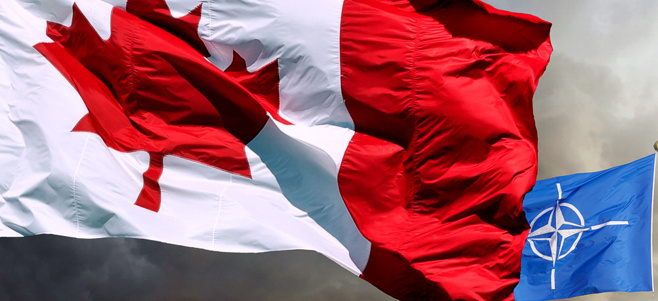
“Sweden brought more than territory to NATO—it brought a combat-proven cold-weather air force and an aircraft designed by people who understand that winter isn’t a temporary condition, it’s a permanent reality,” the Scandinavian official added.
Industry Implications
The strategic shift has not gone unnoticed in the defense industry. Saab has reported increased interest from NATO members operating in northern climates, with several countries reportedly examining Gripen acquisitions as complements to their F-35 fleets rather than replacements.
For Lockheed Martin, the challenge is ensuring that F-35 operations in extreme environments receive the necessary support and that basing infrastructure investments keep pace with operational requirements. The company has invested heavily in cold-weather testing and continues to work with operators to optimize Arctic performance.
Looking North
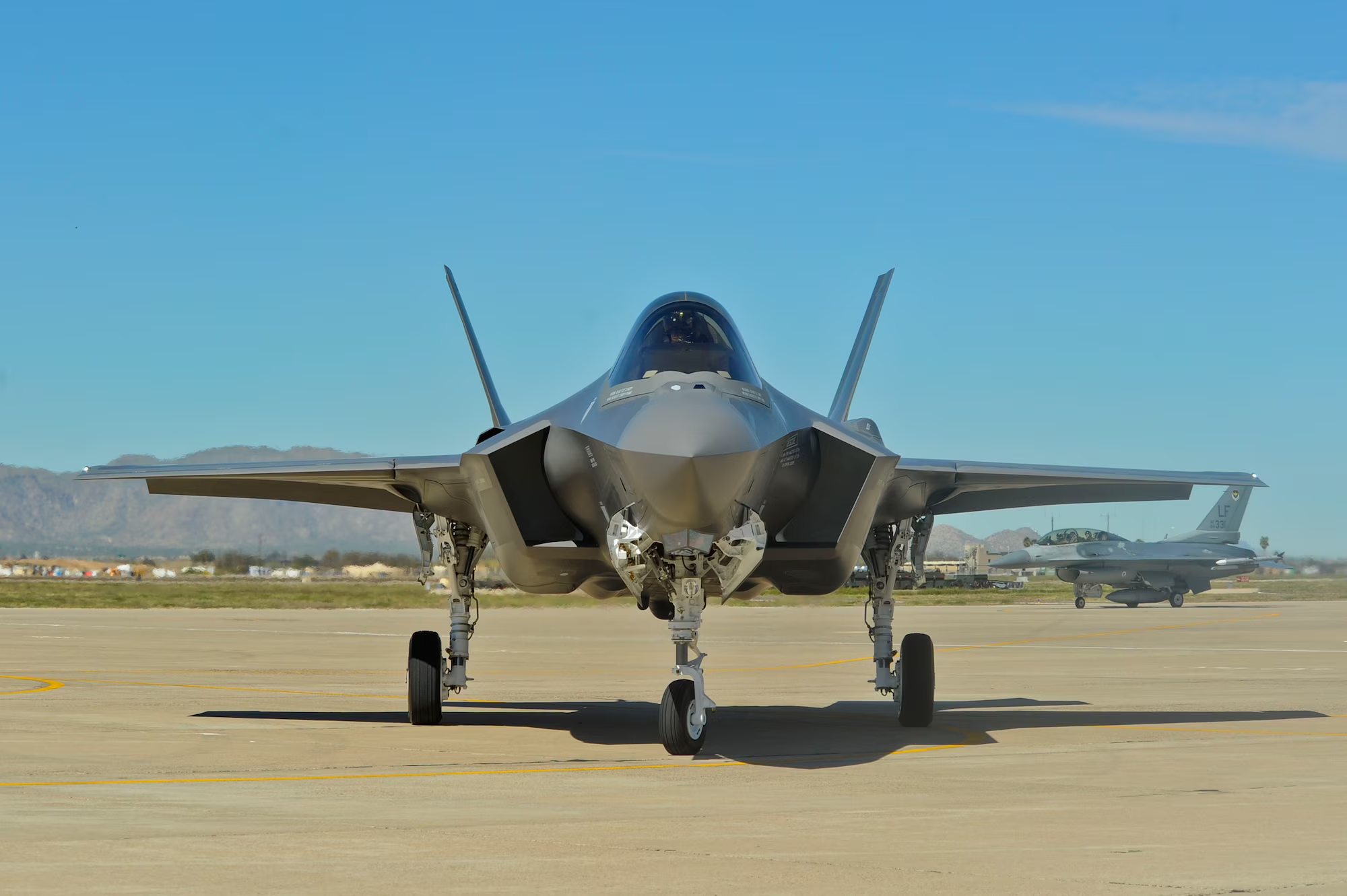
As Arctic tensions continue to rise, NATO’s reliance on specialized capabilities will only grow. The Gripen’s emergence as the alliance’s Arctic guardian represents not a rejection of fifth-generation technology, but a pragmatic recognition that different environments demand different tools.
The F-35 remains the backbone of NATO’s air power for high-intensity conflict against sophisticated adversaries. But for the day-to-day mission of watching the northern horizon, ensuring that Russian bombers don’t probe alliance airspace, and maintaining a visible presence in the High North, the Gripen has proven itself indispensable.
In the frozen expanse above the Arctic Circle, where temperatures can freeze jet fuel and survival time in the water is measured in minutes, having the right aircraft for the mission isn’t just strategy—it’s survival. And right now, that aircraft is wearing Swedish roundels.