The room was already tense before the key question arrived, because the hearing was not taking place in a vacuum but under the weight of years of public suspicion, grief, and unfinished outrage.
Survivors of Jeffrey Epstein’s abuse were seated quietly behind the lawmakers, and their presence made every dodge, every pause, and every shift in tone feel heavier than usual.
That changed the moral chemistry of the chamber.
This was no longer just a clash of politicians exchanging sharp lines for cameras, but a confrontation unfolding in front of people who had waited years to hear whether justice still meant anything.
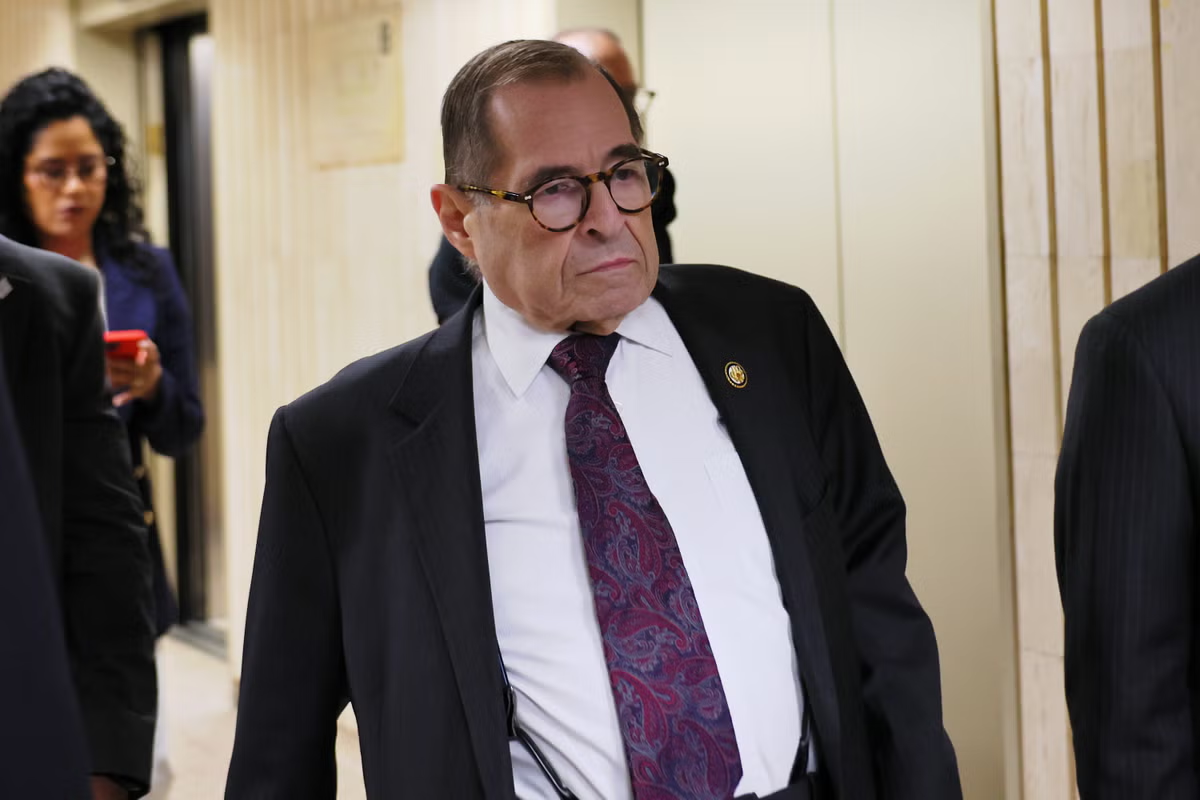
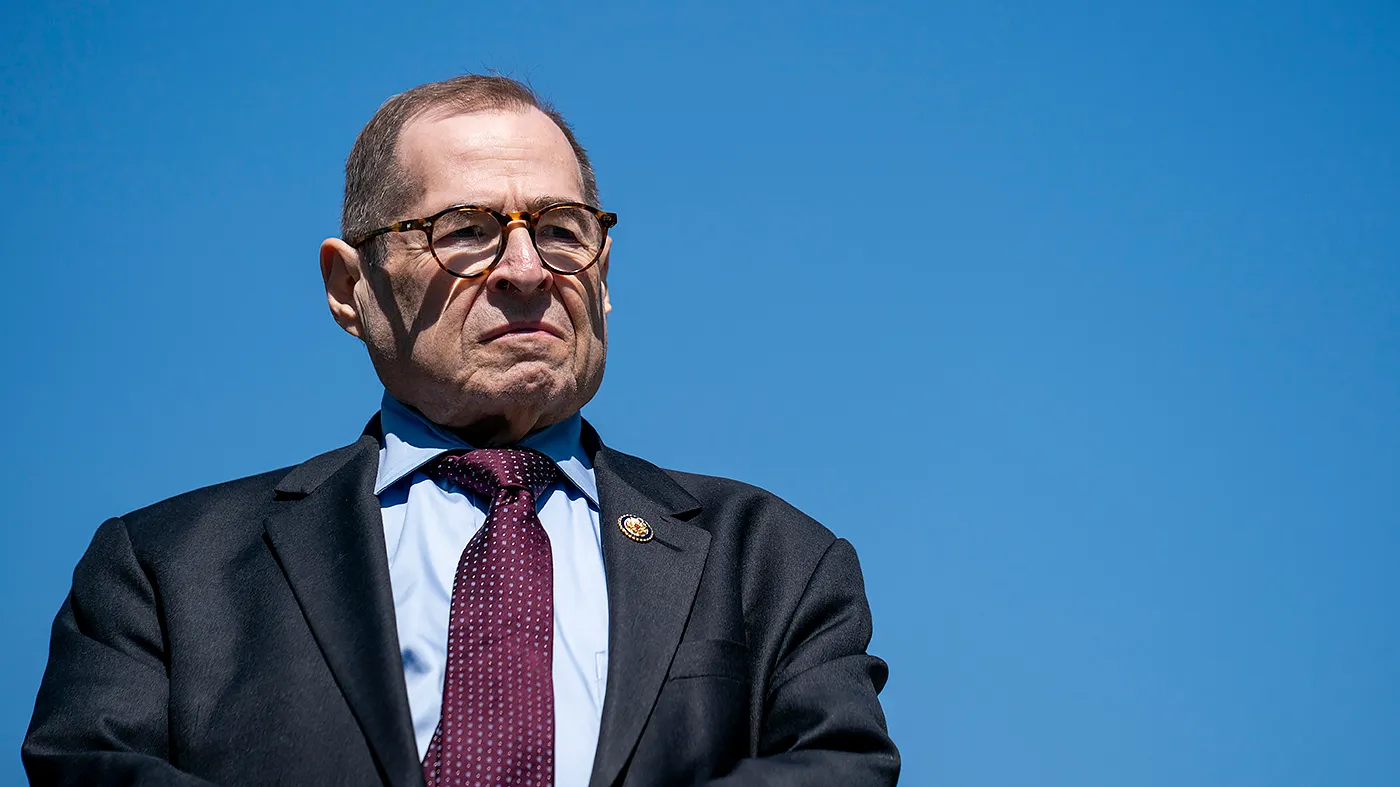
Then Jerry Nadler pressed forward and asked the question that instantly stripped the room down to its most uncomfortable truth.
How many of Epstein’s co-conspirators have actually been indicted.
It was not a complicated question.
It was not about ideology, not about stock prices, not about campaign slogans, and not about who attacked whom in the past.
It was a number.
A number that should have been easy to state if the machinery of accountability had really been moving with the urgency the public has been told to expect.
That is why the silence landed so hard.
Because when a straightforward question does not get a straightforward answer, the public rarely hears nuance first, it hears reluctance, discomfort, and the sound of something politically dangerous being avoided.
Nadler knew exactly what he was doing.
He did not bury the hearing under a maze of legal theory, because he reduced the entire scandal to a single measurable point the country could understand instantly.
How many.
That question is brutal in its simplicity, because it forces institutions to stop hiding behind process and say what, in plain terms, they have actually accomplished.
Before he got there, Nadler built the frame carefully.
He reminded the room that survivors had endured more than public fascination, rumor, and endless document drama, because they had endured years of pain while watching the powerful move on with their lives.
That context mattered.
It transformed the hearing from another political performance into a test of whether the Department of Justice could speak to the scandal in a way that centered accountability rather than self-defense.
Nadler also pushed a second theme with force.
He argued that while immense energy had reportedly gone into investigating and pressuring Trump’s political enemies, the same intensity did not appear to follow the people surrounding Epstein’s criminal world.
That contrast is politically toxic.
If voters begin to believe that the justice system is aggressive toward rivals but strangely passive toward elite sexual predators and their circles, public trust does not merely weaken, it collapses.
The Letitia James example sharpened that contrast even more.
Nadler described a pattern of repeated effort, repeated pressure, and repeated failure in the attempt to secure indictments against a high-profile Trump adversary.
Whether supporters see that as legitimate scrutiny or critics see it as revenge, Nadler used it to create a devastating comparison.
Why, he asked in effect, does the system seem capable of spending enormous resources chasing enemies while producing so little visible movement against Epstein’s alleged network.
Then he came back to the central question.
How many.
It was the kind of question that gives a witness very little room to breathe.
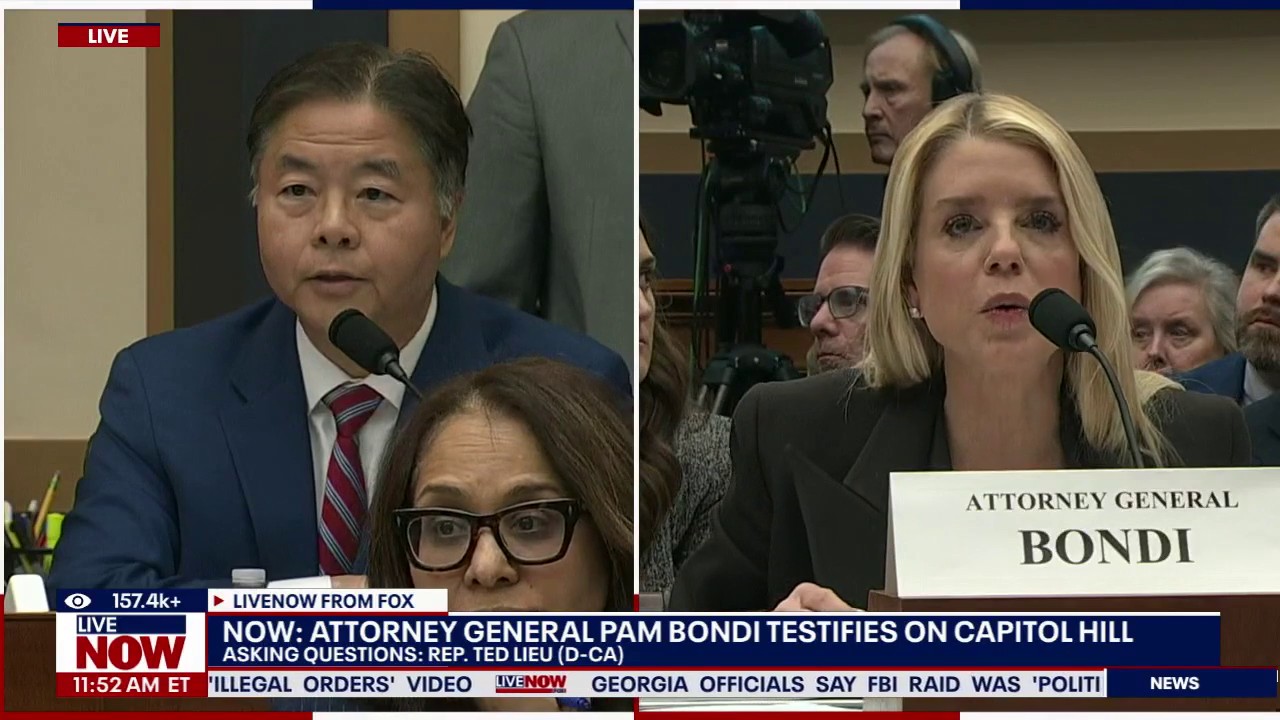
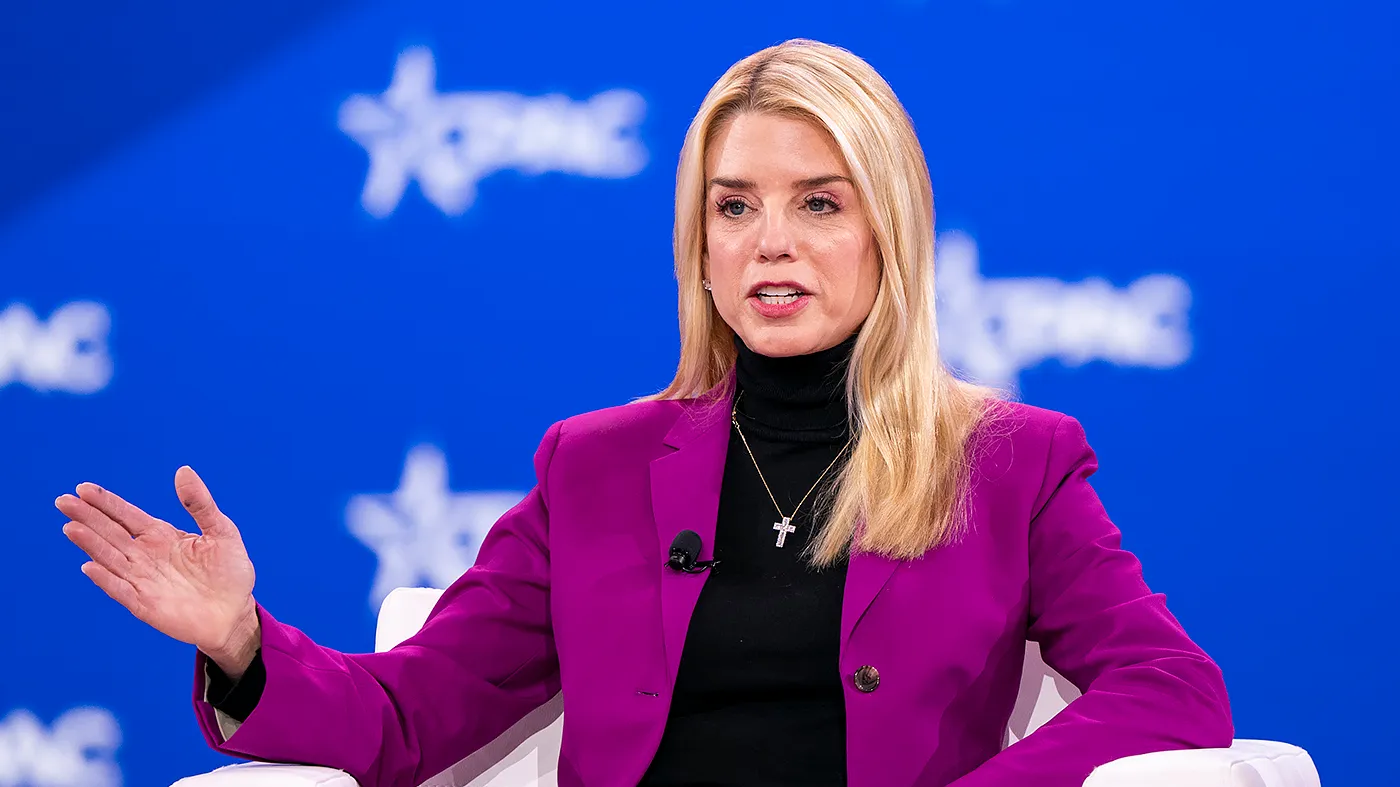
And once Bondi did not answer it directly, the political energy of the hearing changed instantly.
She moved toward a broader response.
She suggested she would answer the question in her own way, and from that point on the confrontation shifted from oversight into a battle over who controlled not just the time, but the narrative.
That battle is always dangerous for institutions.
Because when an official refuses the narrow question and widens the field, everyone watching starts to suspect that the narrow question must be the one thing the institution most fears to answer plainly.
Nadler did not let it slide.
He reclaimed his time, pressed the point again, and treated the evasion itself as evidence that the answer was politically damaging.
This is what made the moment so combustible.
The hearing stopped being about legal administration and became a vivid public demonstration of how institutions behave when simple accountability questions collide with explosive political stakes.
Eventually, Nadler stated his own conclusion.
Zero.
That one word carried a tremendous emotional charge in the room.
Because even if supporters of the administration reject his framing, the public heard a stark claim that years into the scandal, no additional Epstein accomplices had been indicted under Bondi’s leadership.
That is the kind of statement that spreads instantly.
It distills a sprawling and emotionally overwhelming scandal into one answer the public can quote, argue over, and remember.
Once that happened, Bondi was given a chance to respond more fully.
But instead of beginning with Epstein, she pivoted to a completely different battlefield, one built around impeachment, Russia, Trump’s past grievances, and the political sins of his opponents.
That move may have energized supporters.
But to critics, it looked like a perfect case study in institutional deflection, when cornered on a morally explosive question, change the subject from the victims to the war.
And change it she did.
She invoked Trump’s impeachment battles, accused lawmakers of hypocrisy, and shifted toward familiar partisan terrain where outrage is easier to manage than answers.
Then she went even further.
Rather than stay with Epstein, survivors, and prosecutions, she began talking about the Dow, retirement accounts, rents, crime rates, and the southern border.
That is where the hearing crossed from tense into surreal.
Because millions of Americans can understand a witness wanting context, but they can also see when context becomes camouflage.
The question was about Epstein’s co-conspirators.
The answer became a speech about economic gains and presidential success.
That gap was impossible to miss.
Even people sympathetic to Bondi’s politics could see the mismatch between what had been asked and what she clearly preferred to talk about.
This is why the moment mattered beyond partisanship.
It was not merely that Nadler attacked and Bondi counterattacked, but that the Department of Justice appeared unable or unwilling to keep the discussion anchored to the most morally urgent issue in the room.
And the most morally urgent issue was not abstract.
It was whether the people who enabled, facilitated, profited from, or protected Epstein had really been pursued with the seriousness the public was promised.
That promise has haunted this case from the beginning.
Epstein’s death ended one chapter, but it also intensified suspicion that the broader network would never be fully exposed if it threatened the wrong people.
That suspicion has only grown with time.
Each release of documents, each redaction dispute, each hearing, and each unanswered question has deepened the public belief that the visible scandal may still be smaller than the hidden one.
Nadler’s confrontation spoke directly to that belief.
He framed the issue not as partisan obsession, but as a credibility crisis for the justice system itself.
And credibility is the real battlefield here.
A justice department can survive criticism, but it struggles to survive the perception that it has one level of energy for political opponents and another level of urgency for elite predators.
That is why the hearing felt so raw.
The survivors behind the lawmakers made it impossible to reduce the case to a media controversy, because they were the living evidence that this scandal is not simply about files, but about people.
Their presence exposed the emptiness of abstraction.
Every time the conversation drifted toward economic talking points or old grievances, the contrast with the survivors in the room grew more painful and more obvious.
That is also why the moment is so primed for social media.
It has all the ingredients the public reacts to most strongly, a simple question, a missing answer, visible discomfort, moral stakes, survivors in the background, and a sense that something essential is being avoided in plain sight.
For Bondi’s defenders, the hearing will be framed as a partisan ambush.
They will say Nadler wanted a viral moment, not a fair accounting, and that major investigations cannot be reduced to a number shouted across a committee room.
There is truth in that argument.
But it does not erase the damage done when the room watches a direct question go unanswered and then sees the witness race toward safer political talking points.
For Nadler’s supporters, the exchange proved exactly what they fear.
That the DOJ can still sound tough, still talk about transparency, still celebrate paper releases, and yet remain unable to say how many actual perpetrators have faced consequences.
That is a devastating perception.
Because in the public mind, a scandal of this size should produce more than records, more than rhetoric, and more than procedural conflict.
It should produce prosecutions.
It should produce names, cases, consequences, and unmistakable evidence that the system is not afraid of powerful circles.
Instead, what the public saw was argument.
One side claimed transparency, the other demanded results, and the people at the center of the original crimes still appeared to be waiting for a level of justice that never quite arrives.
That is why the confrontation will keep echoing.
It was not just a hearing-room clash, but a condensed version of the entire Epstein problem, huge scandal, immense public fascination, endless political noise, and far too few answers anyone can hold in their hands.
The central question still hangs there.
If the files contain so much, if the names are so important, and if the crimes were so vast, why does accountability still feel so narrow.
That is the question Nadler forced into the open.
And the reason it hit so hard is that nothing in the hearing truly answered it.
The stock market did not answer it.
Border statistics did not answer it.
Impeachment grievances did not answer it.
Neither did outrage about past investigations, nor claims of presidential transparency, nor speeches about broader success.
The question remained where Nadler placed it.
How many.
And until the public hears an answer it can believe, the Epstein case will continue to operate as one of the deepest wounds in American institutional credibility.
Not because people enjoy conspiracy, but because the official story still feels far too small for the scale of the horror and the size of the shadows around it.
In the end, that is why this hearing mattered.
It exposed not just conflict, but a void, the space between public demands for accountability and an institution still talking as if process itself can substitute for justice.
That void is where distrust grows.
And after this confrontation, it is wider, louder, and harder for Washington to ignore.