For months, the pressure on Canada’s auto sector has felt like a slow squeeze: tariff threats, political brinkmanship, and an economy that can’t afford another gut punch. But this week, Industry Minister Mélanie Joly delivered a message that landed like a door slam in Washington’s face—calm, direct, and built around one unmovable line: Canada will not sacrifice its auto workers to make the U.S. happy.

In recent remarks in Parliament, Joly framed Canadian auto workers as victims of U.S. tariffs and promised Ottawa would “continue to fight for their jobs.” It wasn’t flowery. It wasn’t diplomatic theater. It was the kind of language that tells workers in Windsor, Oshawa, and across the supply chain: you’re not being left behind in a trade storm you didn’t start.
And the timing isn’t random.
Canada and the U.S. are heading toward formal talks in mid-January to review the trade agreement ahead of the 2026 USMCA/ CUSMA review, with Prime Minister Mark Carney openly warning that tariffs on steel, aluminum, autos, and lumber are already inflicting real damage. That means the next few weeks aren’t just “policy discussions”—they’re the runway to a high-stakes showdown where entire industries can get bargained like chips.
But here’s where the story turns from reactive to strategic.
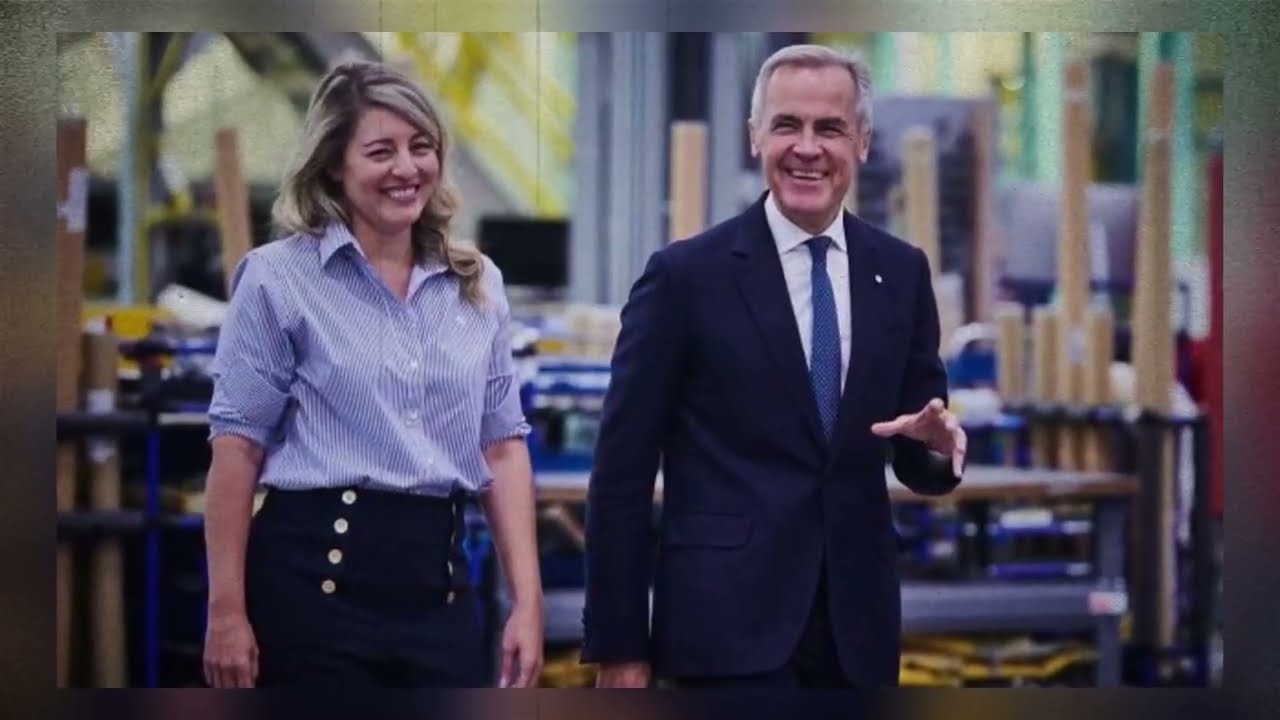
Instead of acting like Canada’s only choice is to plead for mercy, Joly’s posture has increasingly pointed to diversification and leverage—building options so the U.S. can’t treat Canada like an extension of its domestic supply chain. That approach fits with what Carney has been signaling too: sector-by-sector trade “deals” with the U.S. look unlikely in the near term, and earlier negotiations were effectively derailed after Washington suspended talks in October amid political friction.
So Canada is moving like a country that’s done waiting for mood swings in the Oval Office.

A major signal came with Joly’s Asia trip from Nov. 23–28, 2025, traveling to South Korea and Japan to advance what the government called “strategic industrial partnerships.”That matters because Canada’s auto footprint isn’t just “Canadian brands”—it’s deeply tied to global manufacturers, including Toyota and Honda, and attracting investment depends on proving Canada can offer stability even when the U.S. turns unpredictable.
Under the hood, Ottawa has also been building protective policy scaffolding—like an auto tariff remission framework introduced in April 2025, aimed at maintaining Canada’s auto manufacturing footprint and protecting workers. Translation: Canada isn’t just talking tough. It’s trying to design an economic shock absorber.
And Joly’s broader message stretches beyond cars.
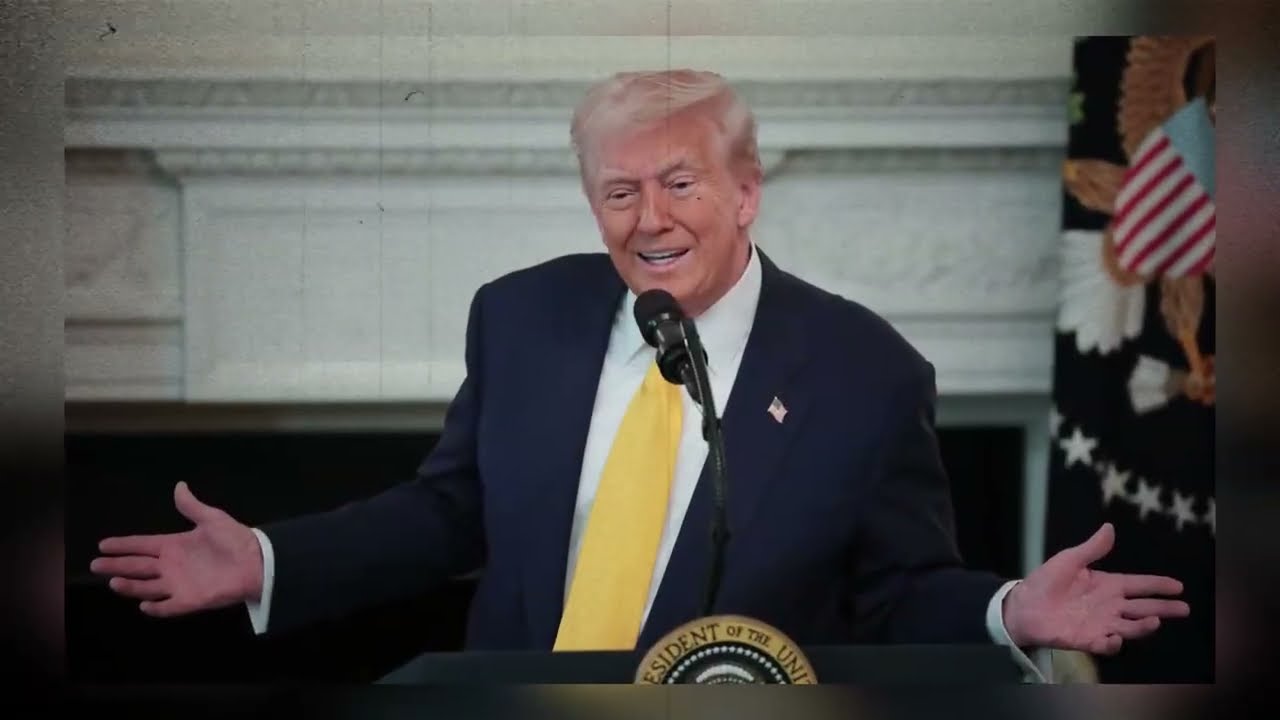
She has linked auto resilience to bigger pillars: steel and aluminum, critical minerals, and industrial capacity—exactly the kinds of sectors that decide whether a country is a partner… or a dependency. That framing aligns with the Carney government’s push to position Canada as a more investment-friendly destination, particularly in critical minerals, at a moment when global supply chains are becoming national security issues.
The subtext is blunt: Canada is still going to trade with the U.S.—geography guarantees that—but it’s trying to make sure Washington can’t pull one lever and freeze entire Canadian regions in place.
This is why the auto fight feels bigger than tariffs. It’s about whether Canada stays trapped in a cycle where every U.S. political shift becomes an economic earthquake—or whether Ottawa finally builds enough alternative routes that threats lose their bite.
Joly’s “fire back” moment isn’t just a clapback. It’s a warning shot: Canada is preparing for a future where the U.S. is important—but not all-powerful.
The Attacks on Dexter Fowler Weren’t Just






