WASHINGTON — In the opening weeks of President Donald Trump’s second term, a confluence of judicial rulings, congressional actions, and nationwide protests has delivered repeated setbacks to the administration’s agenda, signaling a robust pushback from various sectors of American society.
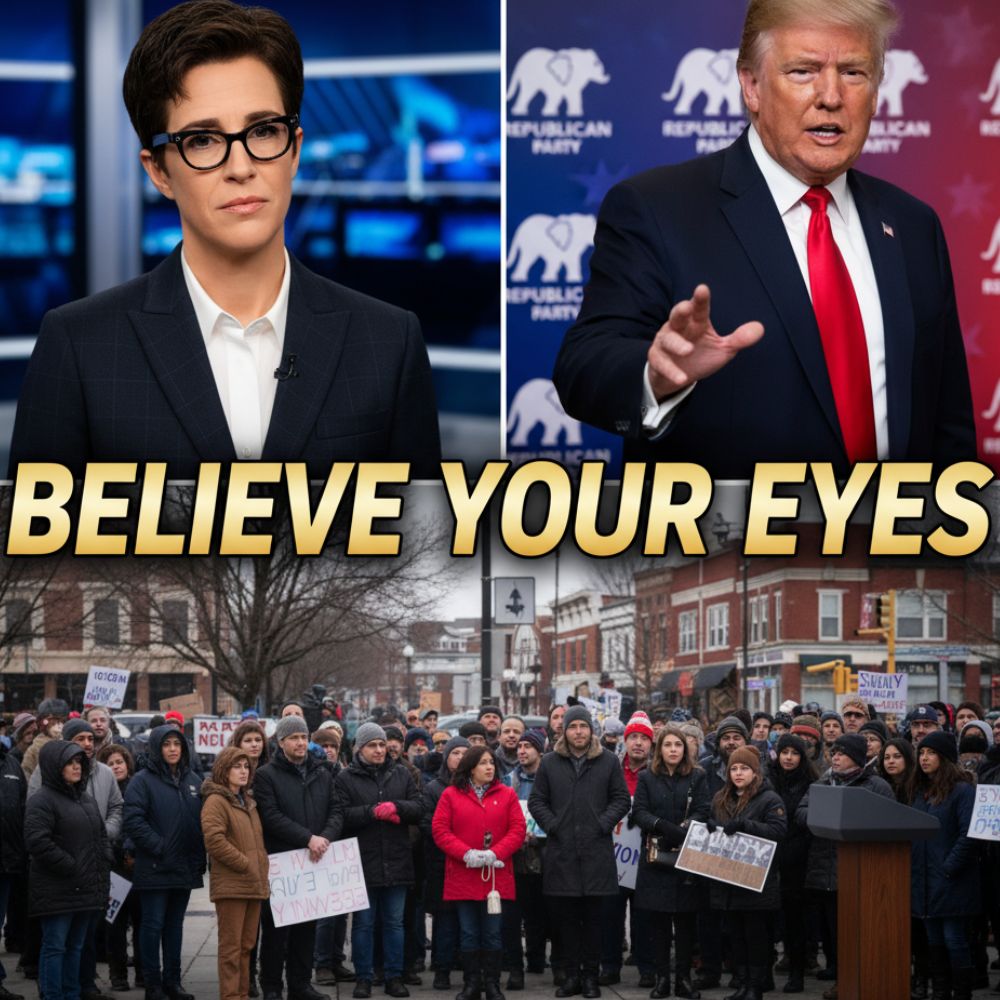
From court blocks on funding cuts to bipartisan votes in Congress and spontaneous demonstrations against immigration enforcement tactics, these developments underscore growing discontent with policies perceived as overreaches.
Federal courts have been at the forefront of this resistance, issuing multiple rulings on January 12, 2026, and the preceding days that halted several executive actions.
One judge blocked the administration from diverting billions in congressionally appropriated clean energy funds away from states that supported Kamala Harris in the 2024 election, deeming it an illegal form of political retaliation.
Another ruling prevented the shutdown of a major offshore wind farm project off the coasts of Rhode Island and Connecticut, preserving renewable energy initiatives amid broader environmental policy disputes.
Courts also reinstated funding for the American Academy of Pediatrics after it was cut following criticism of Health and Human Services Secretary Robert F. Kennedy Jr.’s policies, and stopped freezes on child care and social services allocations in Democratic-led states.
Congress has similarly shown signs of defiance, with bipartisan efforts challenging the president’s priorities. On January 12, lawmakers rejected steep proposed cuts to federal science programs, opting for minimal reductions to the National Science Foundation budget—far below the 56% slash sought by the administration—and maintaining funding for the National Oceanic and Atmospheric Administration.
Five Republican senators joined Democrats to advance a war powers resolution aimed at curbing further military involvement in Venezuela, while 17 House Republicans crossed party lines to support measures mitigating hikes in health insurance premiums under the Affordable Care Act.
These moves come as Republicans hold slim majorities, with analysts noting potential vulnerabilities ahead of the 2026 midterms, including Democratic challenges like former Rep. Mary Peltola’s bid against Sen. Dan Sullivan in Alaska.
Public outcry has amplified this institutional resistance, particularly in response to Immigration and Customs Enforcement (ICE) operations.
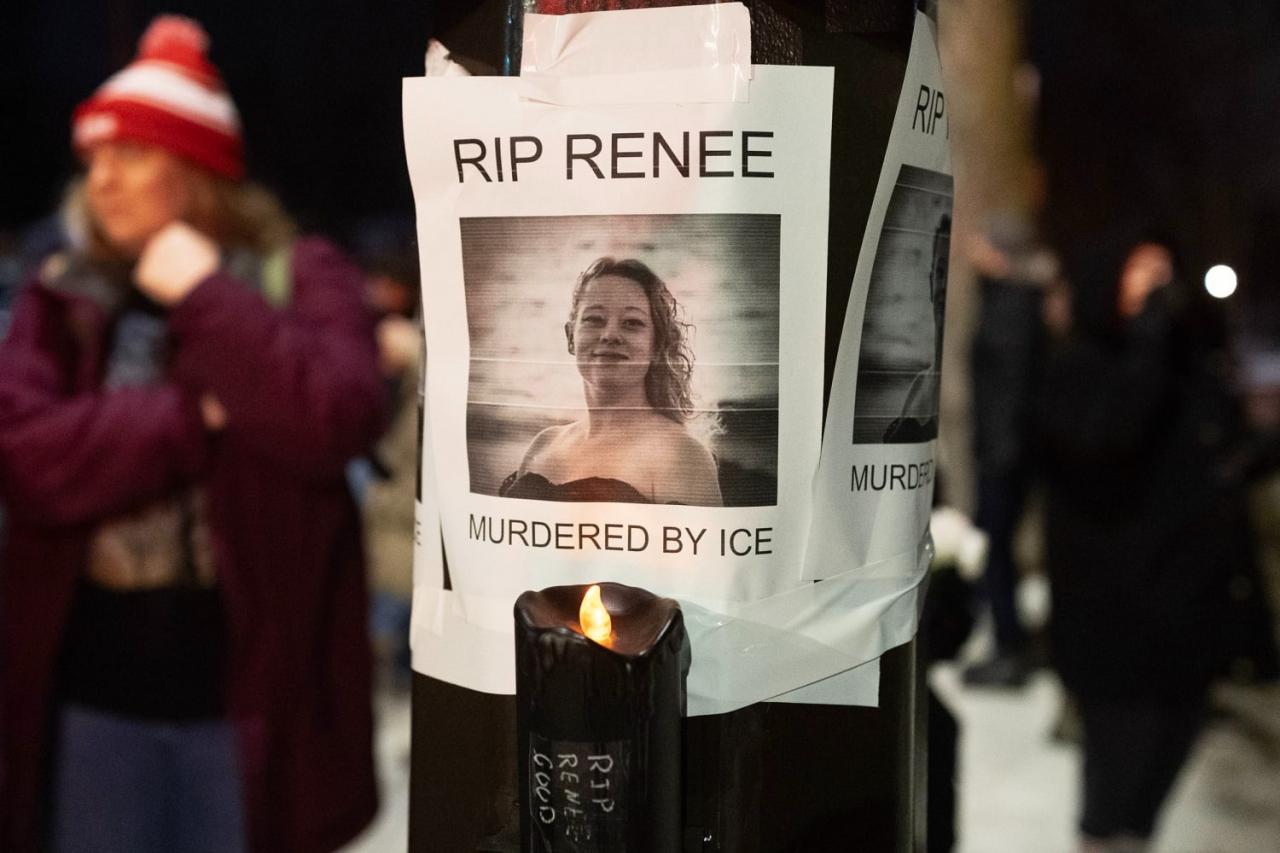
The fatal shooting of Renee Nicole Good, a Minneapolis resident, by an ICE officer during a traffic encounter sparked widespread protests.
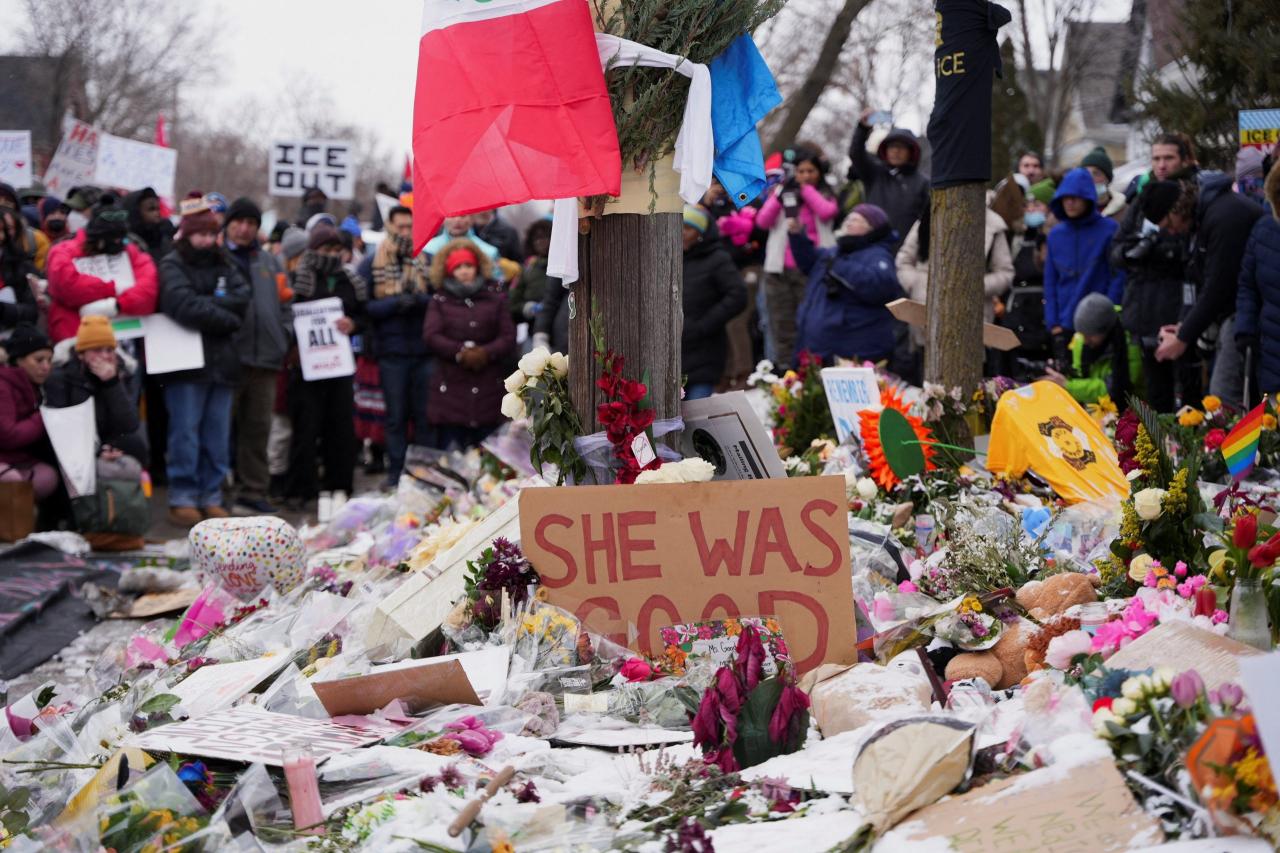
Good, described as a caring neighbor, was killed in an incident that critics labeled as excessive force. Over the weekend leading into January 12, more than 1,000 demonstrations erupted across all 50 states, from major cities like New York and Boston to smaller locales such as Fairbanks, Alaska—where participants braved minus-25-degree temperatures—and Carson City, Nevada.
In Minneapolis, community responses included volunteer networks providing groceries, rides, and safety alerts, with over 2,000 individuals trained as ICE observers.
Lawsuits have further escalated the opposition, with states like Illinois and Minnesota, along with cities including Chicago and Minneapolis, filing challenges against federal immigration tactics.
Arizona Sen. Mark Kelly also sued Defense Secretary Pete Hegseth over attempts to reduce military ranks for those advocating adherence to legal orders. These legal actions highlight concerns over what some describe as “secret police” methods, including warrantless entries and vehicle pursuits.
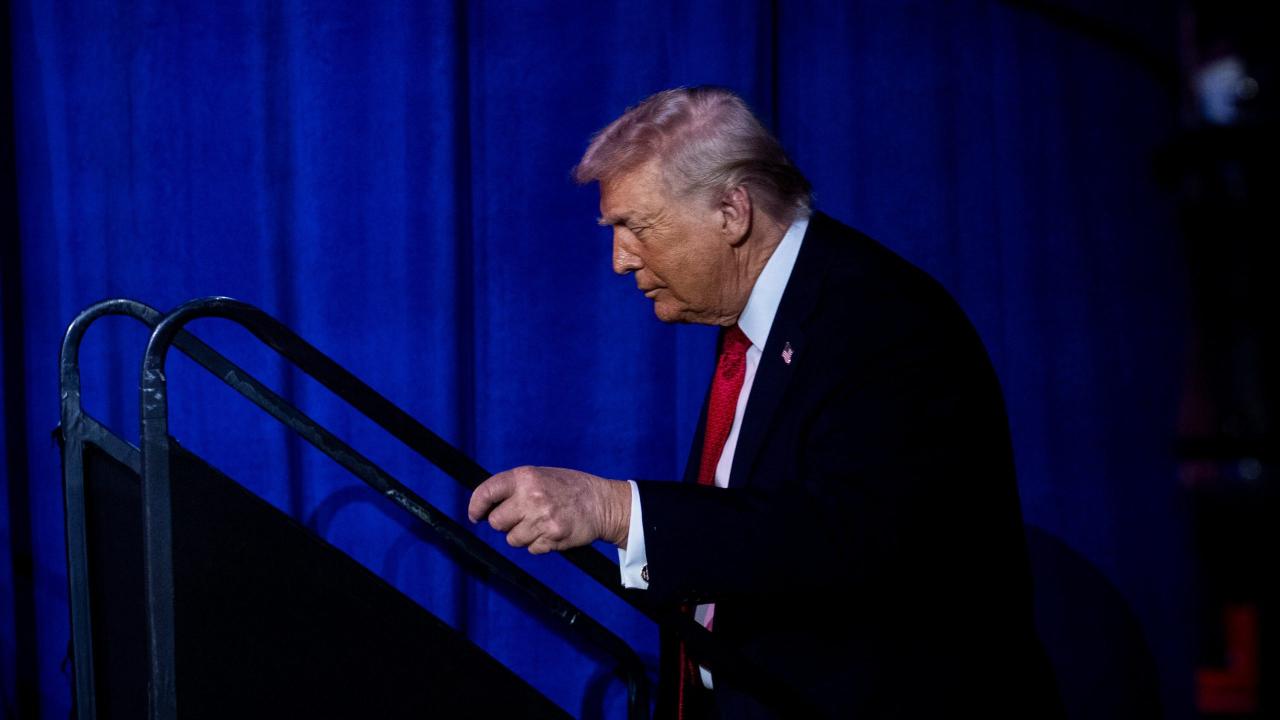
President Trump, facing approval ratings lower than Richard Nixon’s at a comparable point, has continued to defend his policies, including threats against Federal Reserve Chair Jerome Powell.
However, economic indicators show challenges, with job growth at a 16-year low and rising costs in health care and energy.
As these events unfold, observers note a shift toward greater civic engagement and institutional checks, potentially influencing the political landscape as the nation approaches midterm elections.
The administration has not yet responded to requests for comment on the latest developments.






