For decades, Canada and the United States have run one of the tightest defense partnerships on Earth — the kind built on shared skies, shared threats, and shared command rooms. That’s why what happened this week landed like a political grenade: the Pentagon allegedly delivered a warning to Ottawa over something that, on paper, should’ve been routine.
A fighter jet purchase.
Canada’s CF-18 Hornets, flown since the early 1980s, are aging out. Everyone agrees they need replacement. The default assumption for years was simple: Canada buys 88 F-35s, keeps perfect interoperability with the U.S., and NORAD continues as business as usual — same aircraft, same systems, same networked warfighting architecture.

But then Canada did something that set off alarms in Washington: it seriously considered an alternative.
Not Russian. Not Chinese. Swedish.
Sweden’s Saab has been pitching Canada the JAS 39 Gripen, not just as a plane, but as a partnership — reportedly offering domestic manufacturing, final assembly, Canadian upgrades, and major technology transfer. Saab’s job promise is the kind politicians can’t ignore: up to 10,000 jobs in manufacturing and research (with figures in the broader pitch sometimes cited even higher in the transcript).
And the Gripen isn’t being sold as “cheaper F-35.” It’s being sold as a jet built for a brutal reality: survival when bases are hit.
Sweden designed the Gripen assuming runways get cratered, fuel depots burn, and communications fail. So they trained it for dispersed operations: pilots landing on highways, small crews refueling and rearming quickly, and the aircraft staying functional with minimal equipment. That philosophy hits different in Canada, where defending the Arctic isn’t a slogan — it’s geography.

Canada has enormous airspace, much of it across a harsh, remote Arctic where temperatures can plunge below -40, infrastructure is thin, and the nearest major maintenance facility may be impossibly far.
Canadian planners are watching strategic pressure rise in the North: more activity on approaches, more significance in polar routes, more urgency to field aircraft that can launch reliably and keep flying when conditions are ugly.
Then comes the uncomfortable trade-off.
The transcript makes it clear: the F-35 is extraordinary — stealth, sensor fusion, and high-end combat advantages the Gripen can’t replicate in a peer-level fight. But the F-35 also comes with something the Gripen is built to avoid: dependency.
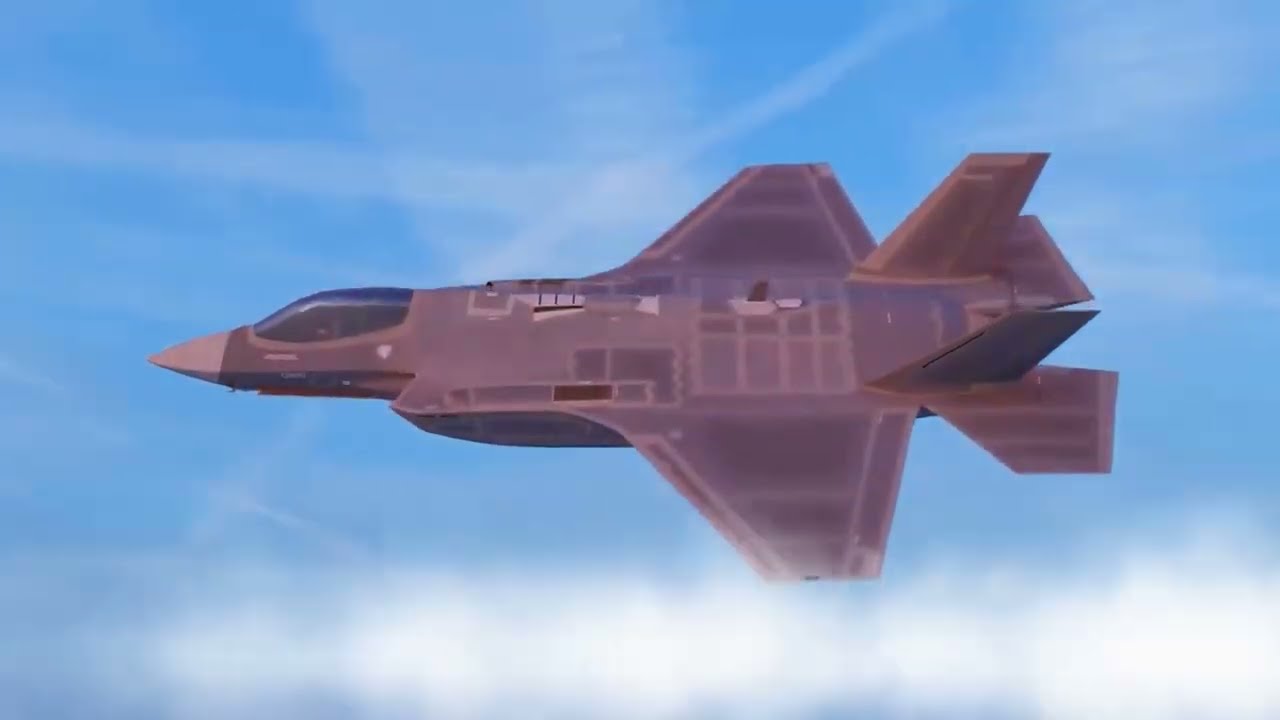
Buying the F-35 isn’t just buying an airframe. It’s buying into an ecosystem: software updates, mission data files, logistics systems (ALIS, now ODIN), weapons integration pathways — all routed through U.S.-controlled infrastructure. Over time, that dependency deepens, because every upgrade and every new capability flows through the same pipeline.
The Gripen runs the opposite model. Saab’s pitch emphasizes control: technology transfer, access, national authority over software and mission data, and the ability to manage upgrades domestically — meaning fewer pressure points where another country can effectively “hold the keys.”
And that’s where the story stops being about jets and starts being about power.
According to the transcript, Pentagon officials privately warned Canadian counterparts that choosing Gripen could carry consequences — raising concerns about intelligence sharing, interoperability, and joint operations. The details were reportedly left vague, which is exactly how pressure works: don’t spell it out, let the other side imagine what gets cut off.
Then the tension spilled into public view. U.S. Ambassador Pete Hoekstra told CBC that Canada’s plan to acquire 88 F-35s impacts continental defense — and suggested that if Canada reduced that number, the U.S. would have to “compensate,” implying more American fighter operations in Canadian airspace to fill the gap.
Technically, NORAD already allows cross-border intercept operations. But the tone mattered: buy the program… or we’ll do the job ourselves.
Ottawa’s response is what reportedly shook Washington the most.
Canada didn’t fold. It didn’t soften. Canadian officials emphasized a phrase you rarely hear from a close ally in this context: air sovereignty remains under national control. Period.
That sentence carries weight far beyond procurement. It’s Canada openly signaling that defense cooperation cannot come with hidden levers — not in an era where trade pressure and political unpredictability have made “friendly dependency” feel like a risk.
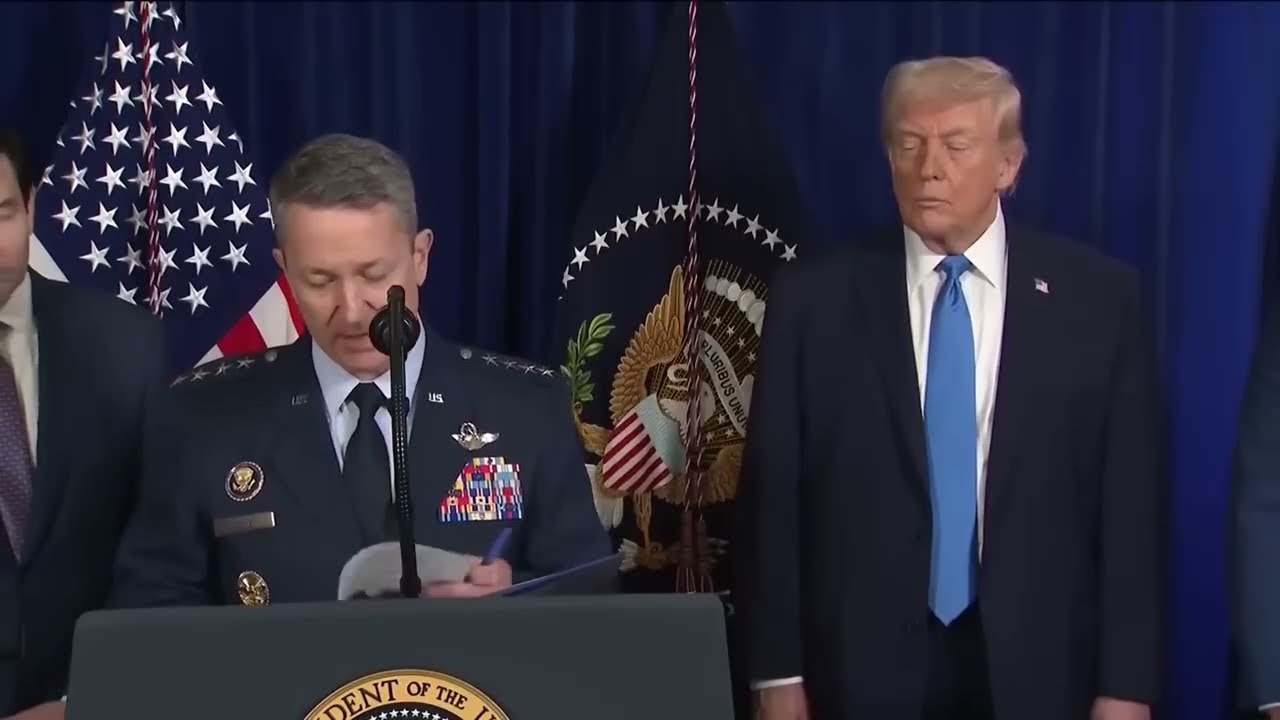
And that’s why Europe is watching. If Canada — arguably America’s closest military partner — can even seriously entertain a non-American fighter while pushing back against Pentagon pressure, it punctures a long-standing assumption inside NATO: that the F-35 is the default and alternatives are unthinkable.
Canada hasn’t cancelled anything, per the transcript. A reassessment is ongoing. Timelines are tightening because CF-18s can’t fly forever, and a mixed fleet sounds tempting but brings expensive complexity — two training pipelines, two supply chains, two maintenance ecosystems.
But one thing has already changed: the decision is no longer “paperwork and a handshake.”
It’s a test of who controls the software, who controls the upgrades, who controls the mission data — and ultimately, who controls what “sovereignty” really means when allied weapons run on someone else’s code.