When Canada opened a modest red consular office in Nuuk, Greenland, it didn’t look like a geopolitical earthquake.
But make no mistake — this was not a routine ribbon-cutting.
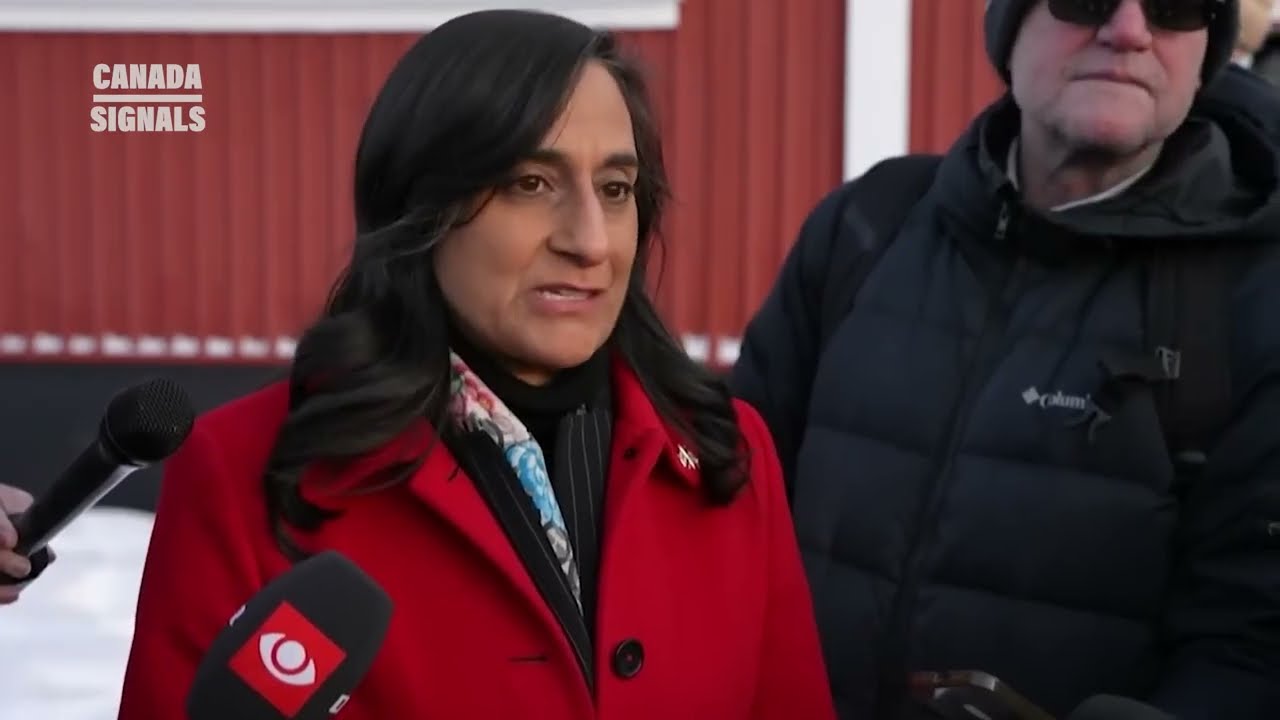
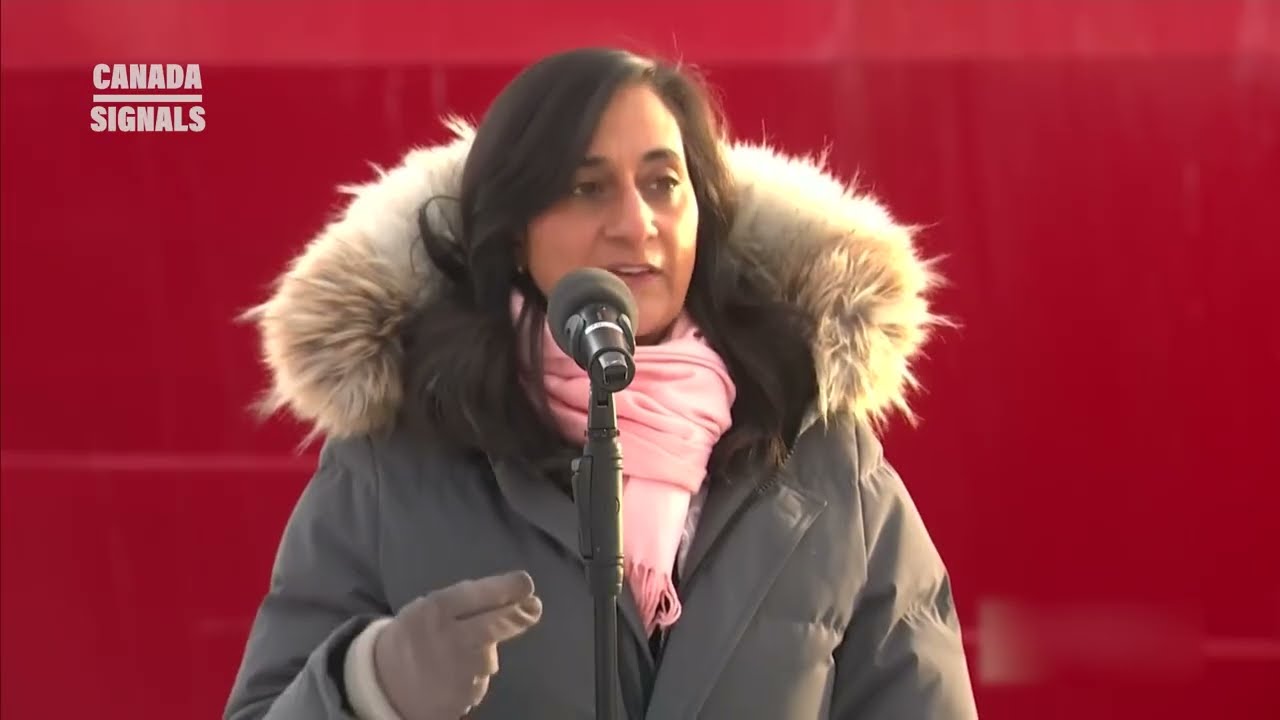
Foreign Affairs Minister Anita Anand stood alongside Danish and Greenlandic leaders. Governor General Mary Simon, an Inuk from Nunavik in northern Quebec, arrived with a delegation of more than 70 Inuit representatives. A Canadian Coast Guard icebreaker docked nearby. Flags waved. Cameras rolled. The symbolism was deliberate — and loud.
Because this wasn’t about population size. It was about strategic pressure.
The scale of Canada’s delegation sent a message that echoed far beyond Nuuk’s icy harbor. High-level ministers. Indigenous leadership. Military-adjacent presence. Live broadcasts interrupting weekend programming. This was statecraft — carefully choreographed, deeply intentional.
And the subtext was impossible to miss.
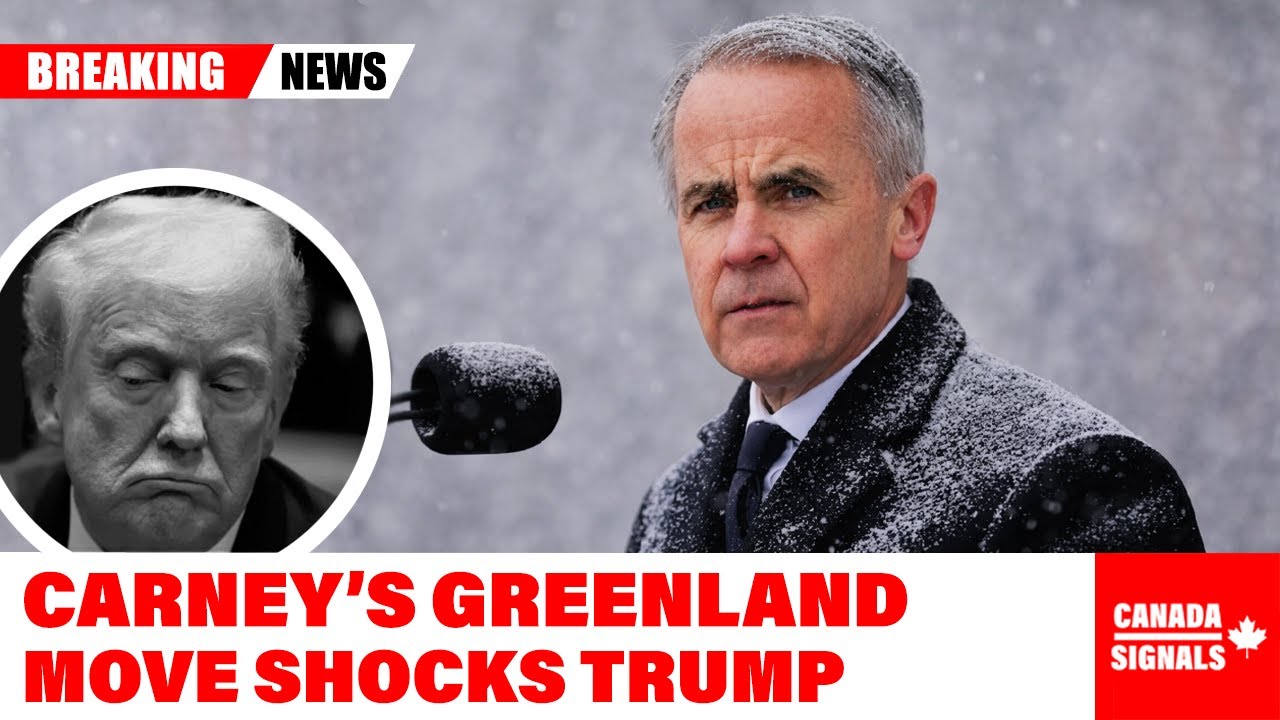
For years, Donald Trump floated the idea of acquiring Greenland, calling it a strategic necessity and at times refusing to rule out aggressive economic measures against Denmark when resistance emerged. Tariff threats followed. Rallies erupted in Copenhagen and Nuuk declaring the island “not for sale.”
Now, Canada stepped forward — not with bluster, but with infrastructure.
The Arctic is no longer a frozen afterthought. Melting sea ice is transforming it into a global corridor. Emerging shipping lanes could cut thousands of miles off trade routes between Europe and Asia. Beneath the thawing surface lie vast reserves of rare earth minerals — neodymium, dysprosium, and other critical materials essential for electric vehicles, wind turbines, advanced weapons systems, and digital infrastructure.
Russia has reactivated Cold War bases across its northern coastline. China has declared itself a “near-Arctic state,” aggressively investing in infrastructure and resource access. The region is no longer remote. It is central to the 21st-century power struggle.
In geopolitics, a vacuum is an invitation.
Canada just filled one.
The new consulate in Greenland creates a permanent Canadian footprint in a region increasingly shaped by military build-ups, mineral races, and diplomatic maneuvering. It enables real-time coordination on defense policy, regulatory alignment, trade, and intelligence sharing among Arctic democracies.
But perhaps more powerful than the building itself was who stood beside it.
Mary Simon’s presence carried profound symbolism. Inuit communities across Canada and Greenland share language, culture, and centuries of cross-border connection — long predating modern state lines. By bringing Inuit leadership to Nuuk, Canada reinforced a message: this isn’t external interference. It’s a circumpolar partnership.
“Inuit are one people,” leaders emphasized during the ceremony.
That distinction matters.
Where Trump’s approach often framed Greenland as an asset to acquire — a strategic real estate transaction — Canada framed the relationship as collaboration. Not ownership. Not dominance. Partnership.
The contrast was stark.
Trump’s political strategy frequently relies on disruption — surprise tariffs, aggressive rhetoric, sudden demands. It thrives in uncertainty. Canada’s move did the opposite. It was methodical. Bureaucratically anchored. Agreements signed before speeches delivered. Staff hired before cameras arrived.
By the time the ribbon was cut, the institutional machinery was already humming.
You cannot undo a consulate with a tweet.
Greenland’s reception underscored the shift. For a territory navigating autonomy within the Kingdom of Denmark while balancing global interest in its resources, diversified partnerships offer leverage. A neighbor offering trade, scientific collaboration, and infrastructure support presents a different tone than a superpower threatening tariffs over acquisition resistance.
And the stakes go far beyond diplomacy.
The Arctic economy has historically depended on distant hubs. Trade between Canada’s North and Greenland often required routing through southern cities or even via Denmark — a logistical absurdity for communities separated by only a few hundred miles. The consulate opens pathways for direct trade, tourism, research cooperation, and energy collaboration.
Economic resilience is a security strategy.
Meanwhile, the broader strategic picture is shifting. As Washington’s rhetoric fluctuates, Ottawa appears increasingly determined to embed itself deeply within North Atlantic institutions. Relying solely on U.S. leadership in Arctic security now looks risky in a world of unpredictable political swings.
This wasn’t about provoking Washington. It was about insulating Canada from volatility.
The Arctic has moved from the periphery of global affairs to its center. Critical minerals, new shipping routes, climate change, military positioning — every major power has noticed.
Canada just signaled that it intends to lead, not follow.
And in doing so, it quietly complicated any future attempt to treat Greenland as a bargaining chip.
The Canadian flag flying over that small shared consular building may seem modest. But in geopolitics, permanence matters more than noise.
Trump may have called Greenland a deal waiting to happen.
Canada treated it as a relationship worth building.
And that difference may shape Arctic power for decades.






