🚨 BREAKING: Mark Carney Launches Canada’s Most Aggressive Auto Strategy Yet as U.S. Tariffs Rock the Industry
Toronto — Canada’s auto sector has crossed a point of no return.
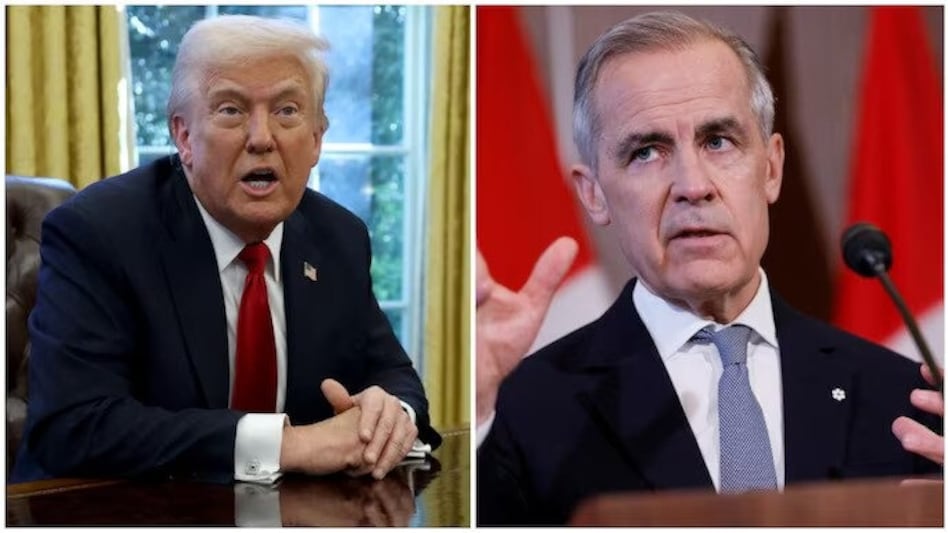
Prime Minister Mark Carney has unveiled a sweeping industrial counteroffensive designed to shield Canada’s automotive industry from punishing U.S. tariffs—marking the most forceful economic pivot Ottawa has made in decades.
At the heart of the plan: a $2.3 billion vehicle rebate and industrial credit program aimed at keeping factories running, workers employed, and investment anchored in Canada—without dependence on Washington.
$2.3 Billion, With Conditions
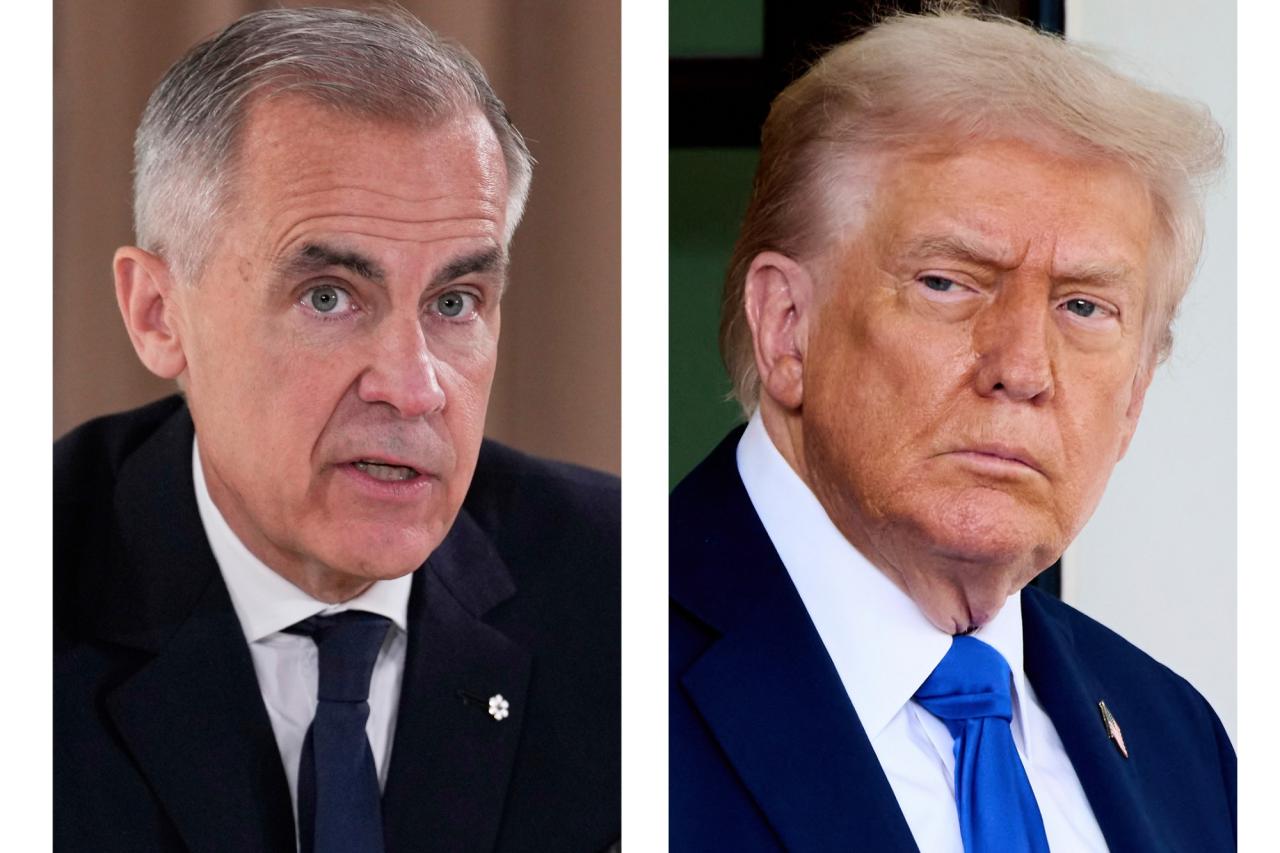
Under the new framework, Canadian consumers will receive:
-
Up to $5,000 for new electric vehicles
-
$2,500 for plug-in hybrids
But eligibility comes with a hard line:
Vehicles must be built in Canada or imported from countries with which Canada has a free-trade agreement.
The signal to automakers is unmistakable:
If you want Canadian subsidies and Canadian buyers, you must respect Canadian labor.
“This isn’t ideology,” one senior official said privately.
“It’s survival.”
“The Bargain Has Been Broken”

Speaking from inside a Toronto-area auto facility, Carney delivered remarks that sounded less like fiscal management and more like strategic mobilization.
For decades, Canada and the United States didn’t just trade cars—they co-built them. Parts crossed the border multiple times before final assembly. The system was efficient, profitable, and deeply interdependent.
That model fractured when Donald Trump returned to office.
In early 2025, Washington imposed 25% tariffs on Canadian vehicles and parts, pressuring automakers to relocate production south if they wanted access to the U.S. market. With nearly 90% of Canadian-built vehicles exported to the United States, the shock was immediate: layoffs, production pauses, and frozen investment.
Carney’s conclusion was blunt:
the old system is over.
From Mandates to Muscle: EV Rules Scrapped
One of the most consequential moves wasn’t what Carney introduced—but what he abolished.
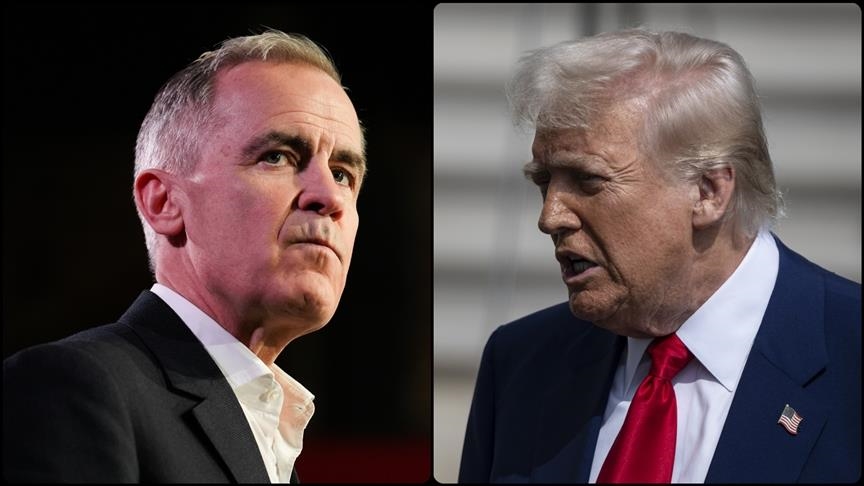
The Trudeau-era mandate requiring 20% EV sales by 2026 is gone.
In its place: a tradable import credit system designed to reward companies that manufacture in Canada rather than dictate technology outcomes.
May you like
DA_Leaked Audio Sparks Civil War: Scottie Pippen Goes Nuclear on LeBron and KD Over “Ultimate Disrespect” to Larry Bird The Trump administration boasts about having the most secure border in history… while 2.5 million migrants are reportedly leaving the United States .007 EVEN THE WASHINGTON POST BACKS TRUMP? In a surprising twist, The Washington Post is supporting President Trump’s strikes in Nigeria, saying he’d “be wise to stay engaged. .007
How it works:
-
Automakers that build in Canada earn credits
-
Credits can offset Canada’s retaliatory 25% tariffs on U.S. imports
-
Companies that exit Canada absorb the full cost of the trade war
The message is direct:
Stay, and Ottawa shields you. Leave, and you face the market alone.
The Eastern Pivot That Has Washington Watching Closely
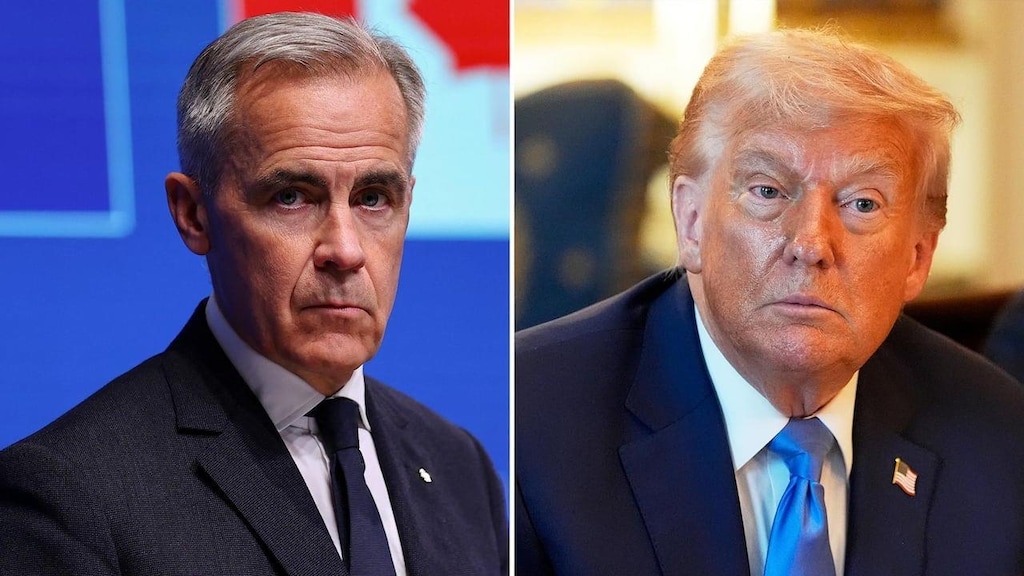
The most destabilizing element of the strategy lies not in subsidies—but in diplomacy.
In January 2026, Ottawa finalized an agreement Washington hoped to block:
limited Chinese EV access.
Canada will allow up to 49,000 Chinese electric vehicles at a 6.1% tariff, undermining U.S. efforts to fully wall off North America from Chinese auto manufacturing.
Then came South Korea.
Ottawa announced plans to position Canada as a manufacturing hub for Hyundai and Kia, building a supply chain anchored in Canadian critical minerals, domestic labor, and global export markets—not Detroit dependency.
As one industry analyst put it:
“If Detroit shuts the door, Canada is opening windows to the Pacific.”
Buy Canadian—No Apologies
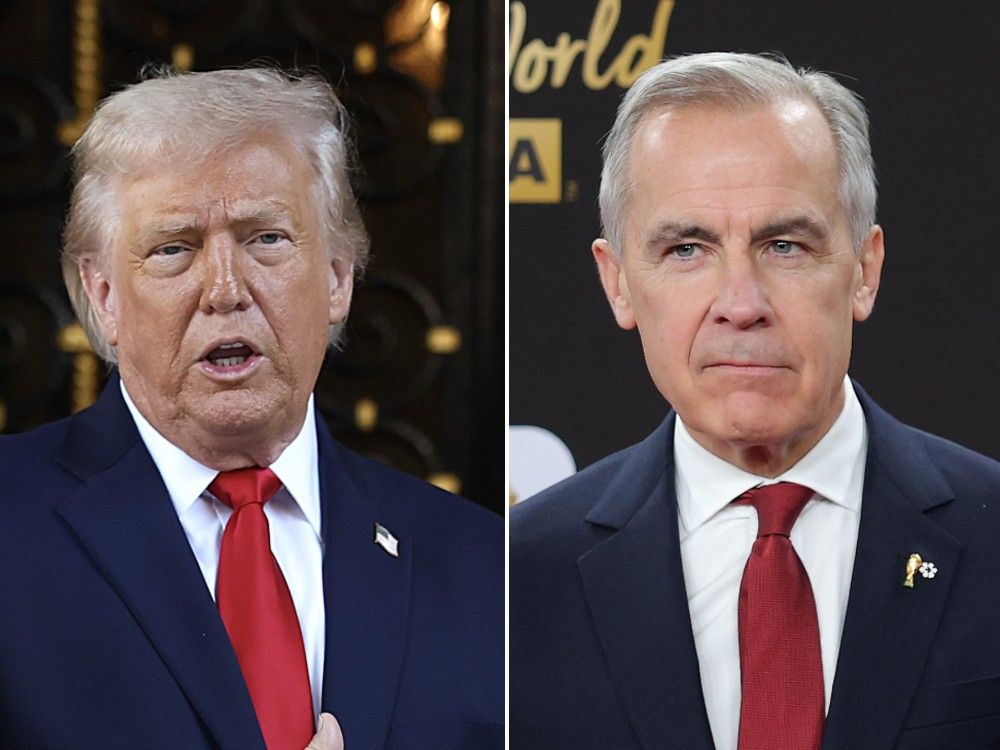
To secure public backing, Carney reinstated EV rebates—but rewrote the rules.
The usual $50,000 price cap does not apply to vehicles made in Canada.
Critics call it protectionism.
The government calls it realism.
At the same time, Ottawa reaffirmed long-term emissions goals—90% EV sales by 2040—arguing that short-term flexibility is the price of long-term industrial survival.
Environmental groups accuse Carney of retreat.
Conservatives call it corporate welfare.
Workers, meanwhile, are watching factory schedules—not press releases.
Can Canada Survive Without the U.S. Auto Market?
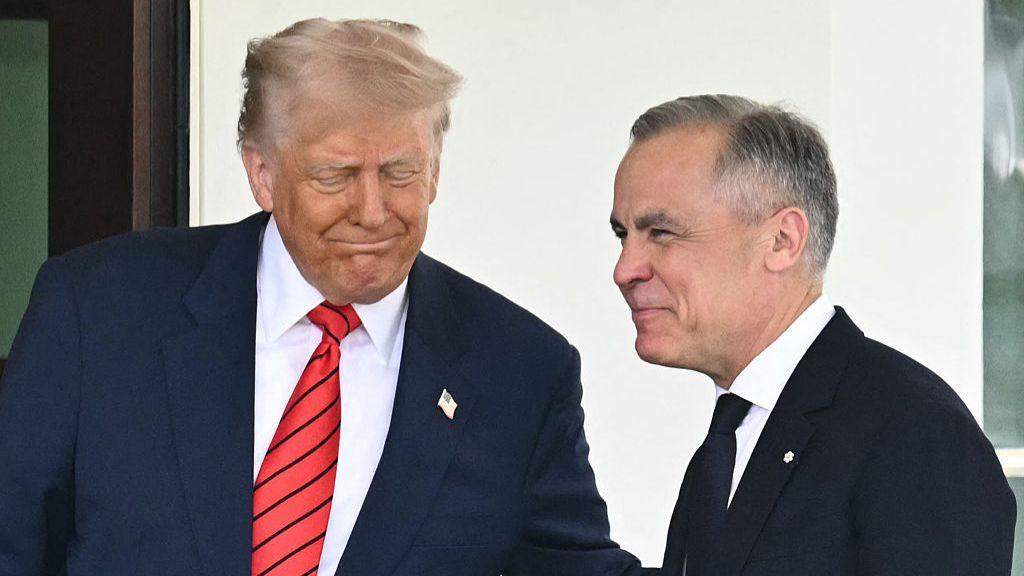
This is the question echoing across Ontario’s assembly lines.
For a quarter-century, Canada’s auto success depended on being Detroit’s indispensable partner. That world is fading fast.
Carney’s response is to build a second economic pillar:
-
One of the lowest investment tax rates in the G7
-
Aggressive, conditional industrial incentives
-
A global export strategy that bypasses Washington risk
If global capital chooses Canadian stability over American volatility, this gamble could redefine Canada’s economic future.
If it fails, entire regions risk becoming industrial graveyards.
The Trade War That Will Define the 2030s
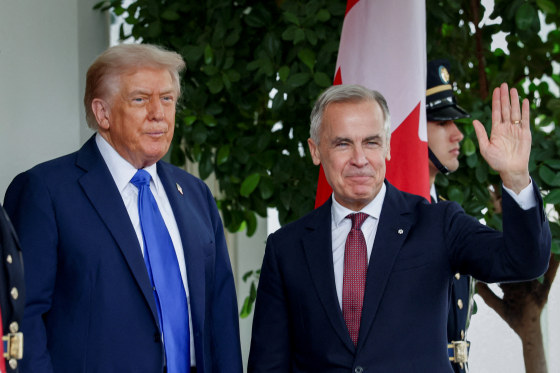
The USMCA review is approaching. Trump is already threatening 100% tariffs if Canada deepens its China strategy.
This is economic chicken at full speed.
If Carney blinks, Canada’s auto sector may collapse.
If he holds the line, Canada could emerge as a sovereign, high-tech manufacturing power for the first time in generations.
The cars Canadians drive in 2030 won’t just reflect technology.
They’ll reveal which side Canada chose in the great trade war of 2026.
And this time, Ottawa is signaling it will not back down.