🚨 Canada’s Arctic Move Draws Greenland Closer — A Quiet Shift in the High North
Canada’s decision to open a new consulate in Greenland is being interpreted by Arctic analysts as more than routine diplomacy. It signals a calculated step into a region where geography, resources, and influence are converging faster than many governments expected.
What surprised observers wasn’t the announcement from Canada.
It was the response from Greenland itself.
Rather than resistance or caution, Greenland’s leadership signaled openness — emphasizing shared Arctic identity, Indigenous ties, and practical cooperation in areas like infrastructure, trade, fisheries, and climate research. At a time when Arctic politics are becoming more competitive, tone matters. And Greenland’s tone was notably receptive.
Why the Arctic Suddenly Feels Different
The Arctic is no longer viewed as remote or peripheral. Melting sea ice is expanding seasonal shipping routes. Critical minerals essential to clean energy and advanced manufacturing are drawing global attention. Strategic positioning across the High North is increasingly tied to long-term security planning.
Greenland — geographically vast and resource-rich — sits at the center of that equation.
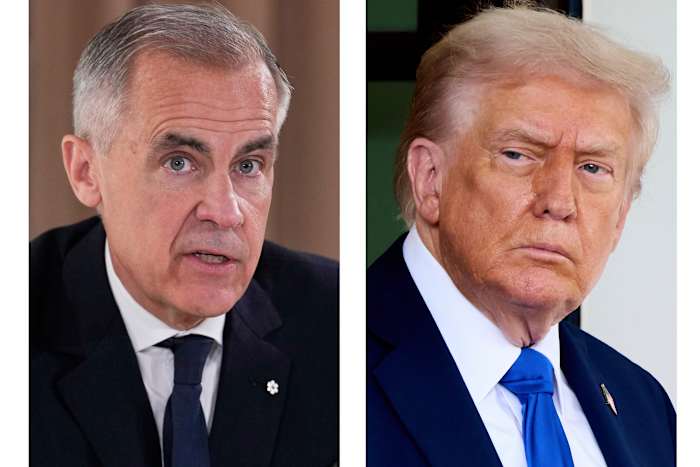
Historically, larger powers have approached Greenland through the lens of strategic acquisition or military leverage. The most public example came in 2019, when U.S. President Donald Trump floated the idea of purchasing Greenland from Denmark — a proposal swiftly rejected by Danish and Greenlandic officials.
That episode left a diplomatic imprint.
Canada’s approach, by contrast, has been framed less around control and more around presence — less about ownership, more about partnership.
A Consulate Is More Than an Office
Opening a consulate is not symbolic window dressing. It means:
Permanent diplomatic representation
Direct engagement with local leadership
Expanded trade and research channels
On-the-ground political visibility
For Canada, it reinforces Arctic identity. Canada already views itself as a central Arctic nation, but this move deepens its footprint west of its traditional sphere.
For Greenland, it diversifies partnerships without compromising autonomy. That balance is key. Greenland has steadily pursued greater economic independence while remaining within the Kingdom of Denmark. Engaging multiple Arctic partners strengthens its negotiating position globally.
The U.S. Factor
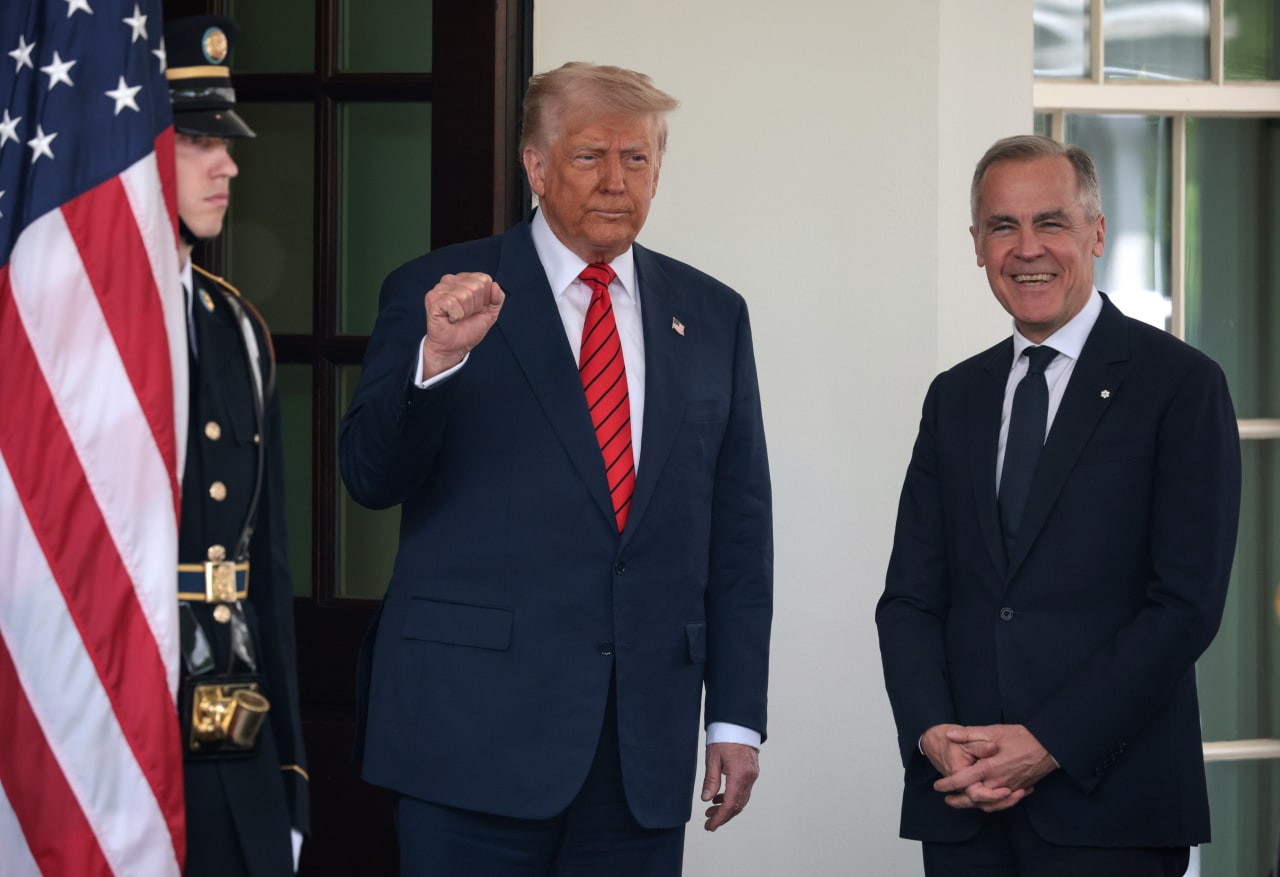
The United States, through its long-standing military presence at Pituffik Space Base (formerly Thule Air Base), remains deeply invested in Greenland’s strategic landscape. But diplomacy and security optics are different instruments.
Canada’s timing is what makes analysts pause.
As geopolitical competition intensifies — involving not just North America but also European and Asian interests — smaller Arctic actors are exercising more agency. Greenland’s willingness to welcome Canadian diplomatic expansion suggests that influence in the High North is increasingly earned through consultation rather than assertion.
Respect, Autonomy, and the New Arctic Playbook
In modern geopolitics, especially in regions shaped by Indigenous governance and environmental sensitivity, the method of engagement can matter as much as the objective.
Canada’s move appears calibrated around:
Cultural alignment (strong Inuit connections across Arctic regions)
Economic collaboration rather than extraction framing
Support for local autonomy within Greenland’s political framework
That contrasts with more transactional or security-first approaches historically used by larger powers.
Why This Changes the Calculus
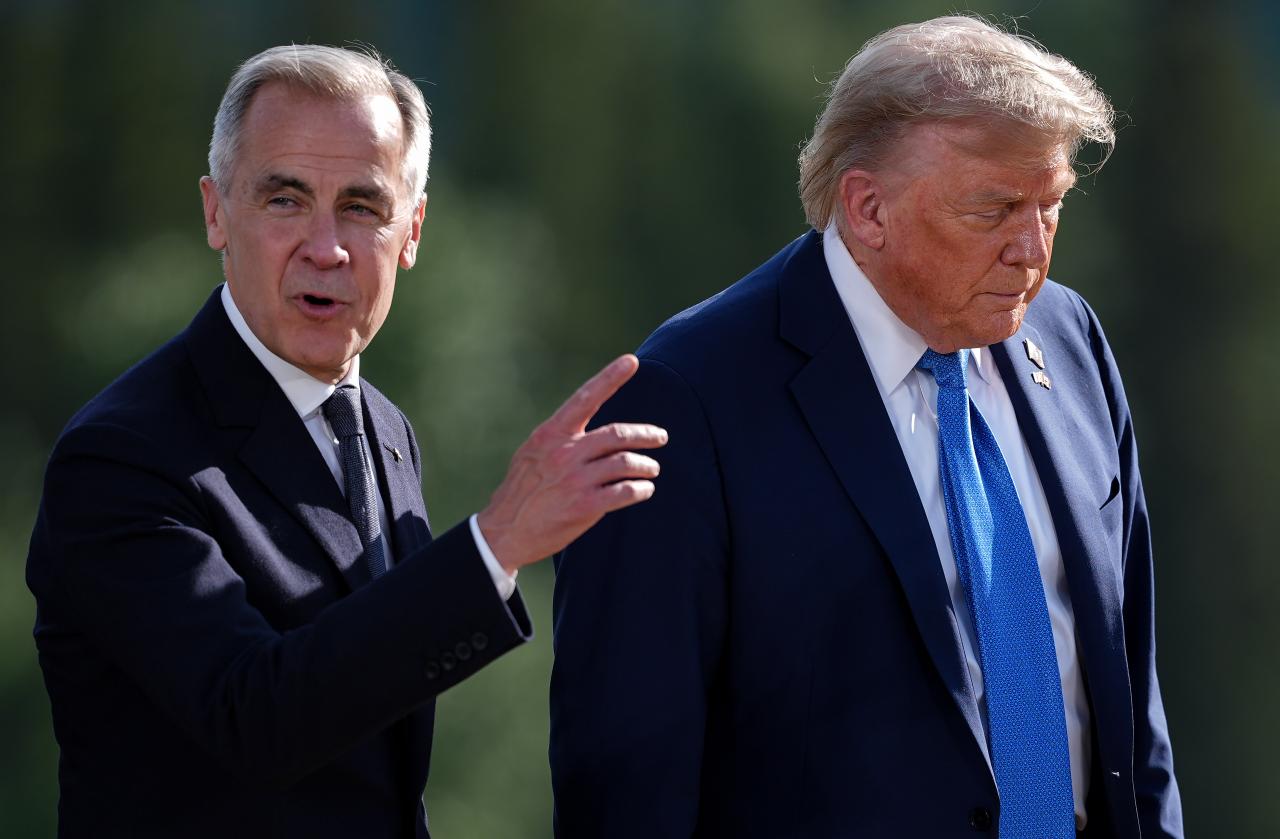
No borders shifted. No treaties were rewritten.
Yet the implications are subtle but significant:
Greenland gains another major Arctic partner.
Canada strengthens its claim to being a leading Arctic stakeholder.
The U.S. must navigate influence in a region where diplomatic style now shapes access as much as military presence.
The Arctic is not being reshaped by dramatic confrontations — but by quiet positioning.
And in the High North, positioning today determines leverage tomorrow.






