For years, the Saab JAS 39 Gripen carried a reputation as the “lightweight” option in Western airpower — efficient, affordable, but supposedly outclassed by heavier twin-engine fighters.
That narrative was shaken after multinational drills at Red Flag – Alaska, where Swedish-operated Gripens reportedly delivered eye-catching air-to-air results that surprised even seasoned NATO observers.
While exact “kill counts” in exercises should always be viewed cautiously — they are training constructs, not real combat outcomes — participants acknowledged that the Gripen’s performance forced a serious reassessment of long-held assumptions.
The Underdog That Wasn’t
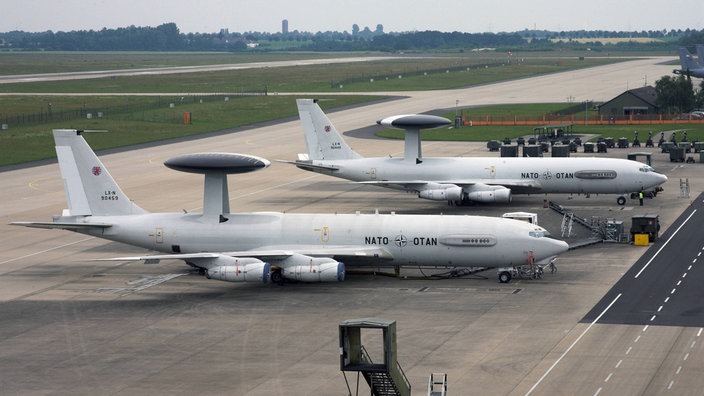
Traditionally, NATO airpower prestige has centered around aircraft like the:
Eurofighter Typhoon
General Dynamics F-16 Fighting Falcon
McDonnell Douglas F-15 Eagle
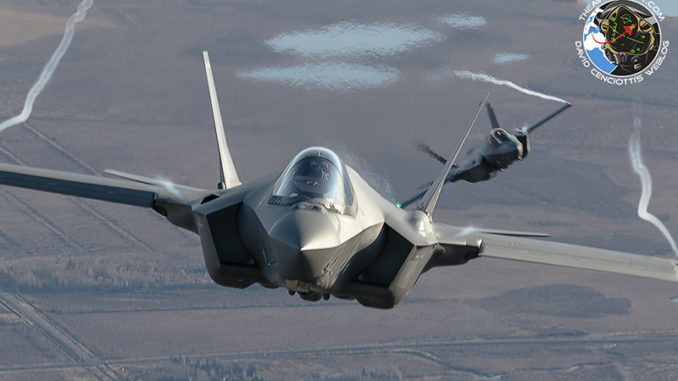
Lockheed Martin F-35 Lightning II
These platforms are larger, often twin-engine, and backed by decades of combat pedigree.
By contrast, Sweden designed the Gripen around a different philosophy: dispersed operations, high survivability in austere conditions, low operating cost, and rapid turnaround by small ground crews. It was never built for global expeditionary dominance — it was built to defend Swedish airspace under extreme pressure.
That distinction may have masked its full potential.
What Happened in Alaska?
Red Flag exercises simulate high-intensity, electronic warfare-heavy combat environments. Pilots operate with degraded communications, restricted support assets, and dense threat scenarios designed to replicate near-peer conflict.
According to participants and defense reporting, Swedish pilots leveraged:
Minimal radar emissions (“silent” tactics)
Aggressive use of networked data links
Decentralized decision-making
High sortie generation rates
The Gripen’s distributed data-sharing approach — allowing aircraft to feed targeting data to one another — enhanced situational awareness while reducing exposure.
Even more striking than any headline numbers was the tactical discipline: short radar bursts, off-board targeting, and rapid repositioning. In complex electronic environments, that combination proved highly competitive.
Why the Reputation Lagged
For years, comparisons centered on raw specifications:
Engine thrust
Payload capacity
Radar aperture size
On paper, heavier aircraft appeared dominant. But modern air combat increasingly hinges on sensor fusion, electronic warfare, networking, and pilot training — not just thrust-to-weight ratios.
The Gripen’s design philosophy emphasizes exactly those domains.
NATO Context After Sweden’s Accession

Since Sweden joined NATO in 2024, Gripens have integrated more deeply into alliance operations, including Baltic air policing rotations.
Interoperability via Link 16 and compatibility with NATO-standard munitions have erased earlier doubts about integration barriers. The aircraft now operates within the same tactical data ecosystems as its Western counterparts.
The Cost Equation

Another dimension fueling renewed interest is affordability.
While cost-per-flight-hour figures vary by source and accounting method, the Gripen is widely reported to operate at lower cost than many Western peers. Lower operating expenses can translate into:
More pilot flight hours
Higher readiness rates
Greater sustainability for smaller air forces
In prolonged tensions — particularly in regions like the Arctic or Baltic — sustained sortie generation may matter as much as stealth advantages.
Canada and the Broader Procurement Debate

The exercise results resurfaced at a politically sensitive time. Canada, which selected the F-35 after a lengthy competition, previously received an industrial proposal from Saab involving domestic assembly and technology transfer.
Although Ottawa has moved forward with its F-35 program, the broader debate about sovereignty, lifecycle cost, and industrial participation continues in several NATO capitals.
Separating Hype from Reality

It is important to stress:
Red Flag results are not definitive proof of battlefield superiority.
Exercise “kills” depend on scenario rules and mission objectives.
All participating aircraft are highly capable.
However, training outcomes do influence professional respect. And by most accounts, Swedish crews earned significant admiration in Alaska.
The Bigger Takeaway

The most important lesson is not that one jet “defeated” another.
It’s that assumptions based purely on size, cost, or marketing narratives can obscure operational reality.
In modern air combat, networked awareness, electronic warfare resilience, tactical discipline, and pilot proficiency often outweigh brute force metrics.
The Gripen was never designed to be flashy. It was designed to survive, adapt, and fight efficiently.
After Alaska, fewer NATO pilots are calling it overrated.






